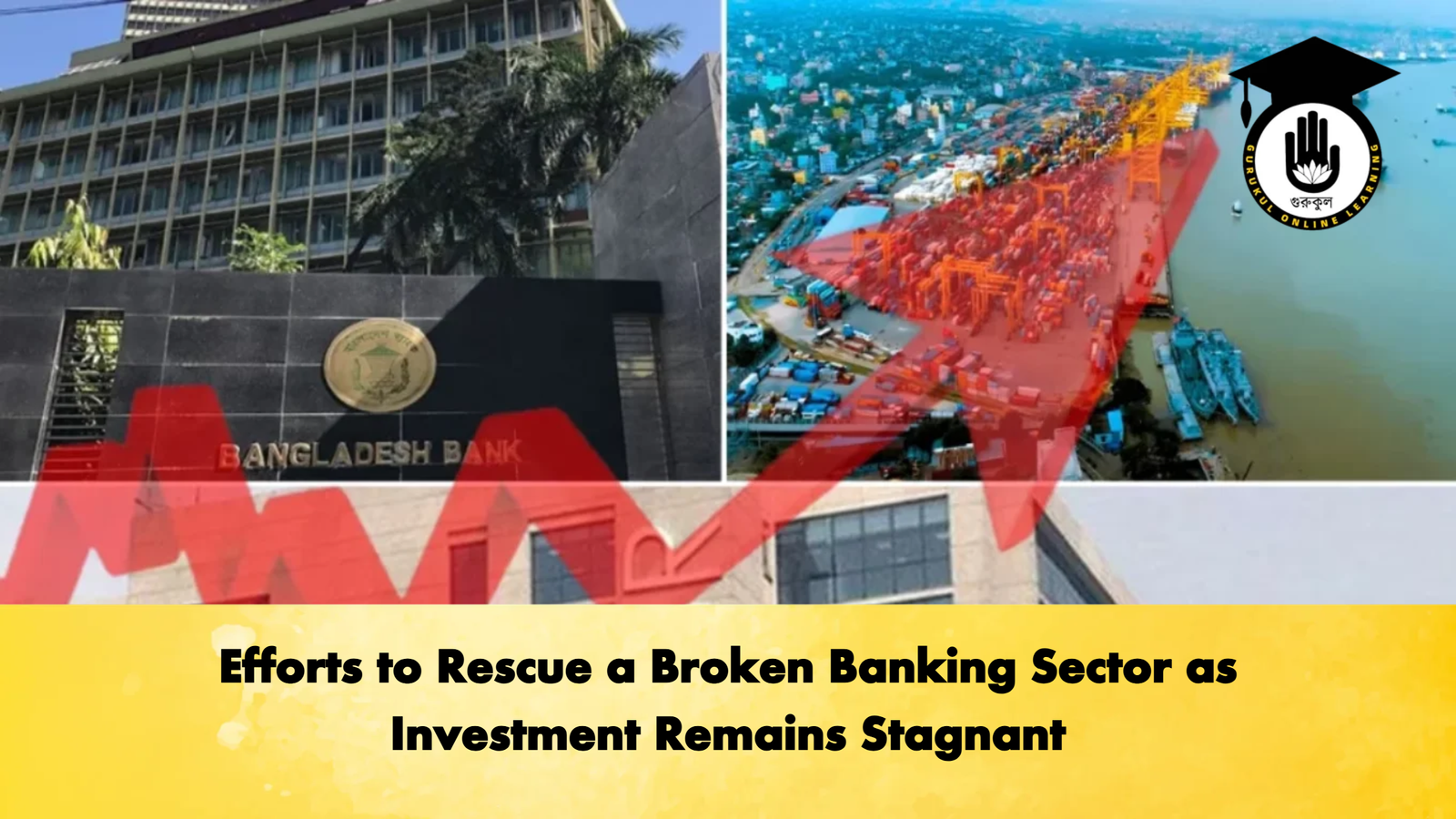
The past year has been a period of intense pressure, reform, and reconstruction for Bangladesh’s economy. A combination of global economic uncertainty, heightened geopolitical tensions, persistently high inflation, and an acute shortage of foreign currency has forced the government to take a series of difficult and often unpopular decisions. An analysis of data from government agencies and policy institutions suggests that the economy has spent the year battling immediate crises while simultaneously attempting to move towards structural reform. Yet for ordinary citizens, meaningful relief has remained elusive.
Inflation continues to hover above 8 per cent, the highest rate in South Asia, significantly eroding household purchasing power. Long-standing challenges—including energy shortages, elevated interest rates, and declining real incomes—have been compounded by instability in public administration and the revelation of deep-rooted weaknesses in the banking sector following the formation of the interim government. Meanwhile, prolonged protests at the National Board of Revenue (NBR) disrupted tax collection, adding further strain to fiscal management. Despite these challenges, the government’s most notable achievement has been its attempt to stabilise macroeconomic fundamentals.
Economic Adviser Dr Salehuddin Ahmed has repeatedly described his task as pulling the economy back from the edge of the abyss. Some progress is evident. Remittance inflows have increased, the fall in foreign exchange reserves has been halted, and the exchange rate has stabilised at a historically high level. This stability has allowed the taka to move closer to a market-based exchange rate. Foreign investment has also shown modest growth, indicating a degree of restored confidence compared with the previous administration.
However, the interim period has also introduced two destabilising elements: uncertainty and volatility. Business leaders remain hesitant to make long-term investment decisions, a reluctance clearly reflected in the data. Investment stagnation, already present, has deepened over the past year. While industrial unrest has declined in 2025 compared with 2024, overall investor sentiment remains weak.
Inflation has been the most persistent source of distress. Prices surged at the beginning of the year, eased briefly mid-year, and rose again towards the end. The volatile cost of essentials such as rice, cooking oil, and onions has defined the economic experience of most households. According to the Bangladesh Bureau of Statistics, inflation rose to 8.29 per cent in November from 8.17 per cent in October, despite a year of tight monetary policy. Wage growth, at 8.04 per cent, has failed to keep pace, resulting in a sustained decline in real incomes—particularly for low- and lower-middle-income families.
Banking Sector: A Struggle for Recovery
The banking sector has emerged as the most fragile pillar of the economy. Years of mismanagement and alleged capital flight culminated in a full-scale crisis in 2025. Although regulatory tightening and reform initiatives have been introduced, stability remains elusive. Official figures indicate that more than one-third of all bank loans are now classified as non-performing. In a significant reform move, the central bank initiated the merger of five Shariah-based banks—EXIM, Social Islami, First Security Islami, Global Islami, and Union Bank—into a single state-owned Islamic bank, capitalised at Tk 35,000 crore.
Investment and Fiscal Pressures
Private-sector credit growth has continued to decline, reflecting weak new investment. Economists warn that without renewed capital formation, industrial expansion and job creation will remain constrained. Meanwhile, unprecedented protests within the NBR severely disrupted revenue collection, affecting imports, exports, and overall economic activity.
Development Spending and External Relief
Despite reduced allocations, the implementation of the Annual Development Programme (ADP) has remained sluggish. By contrast, external indicators offer some reassurance. Foreign exchange reserves have rebounded, supported by strong remittance inflows and increased overseas employment.
Key Economic Indicators at a Glance
| Indicator | Latest Figure | Previous Comparison |
|---|---|---|
| Inflation Rate | 8.29% (Nov) | 8.17% (Oct) |
| Wage Growth | 8.04% | Below inflation |
| Private Credit Growth | 6.23% (Oct 2025) | 8.30% (Oct 2024) |
| Foreign Exchange Reserves | $32.57 billion | ~$25 billion (Aug 2024) |
| Remittances (Jul–Nov) | $13.04 billion | +17.14% YoY |
In summary, while Bangladesh has managed to restore a measure of macroeconomic stability—particularly through reserves and remittances—the deeper challenges of banking reform, investment confidence, and inflation control remain unresolved. Economists caution that without decisive progress in these areas, sustainable recovery will remain out of reach.