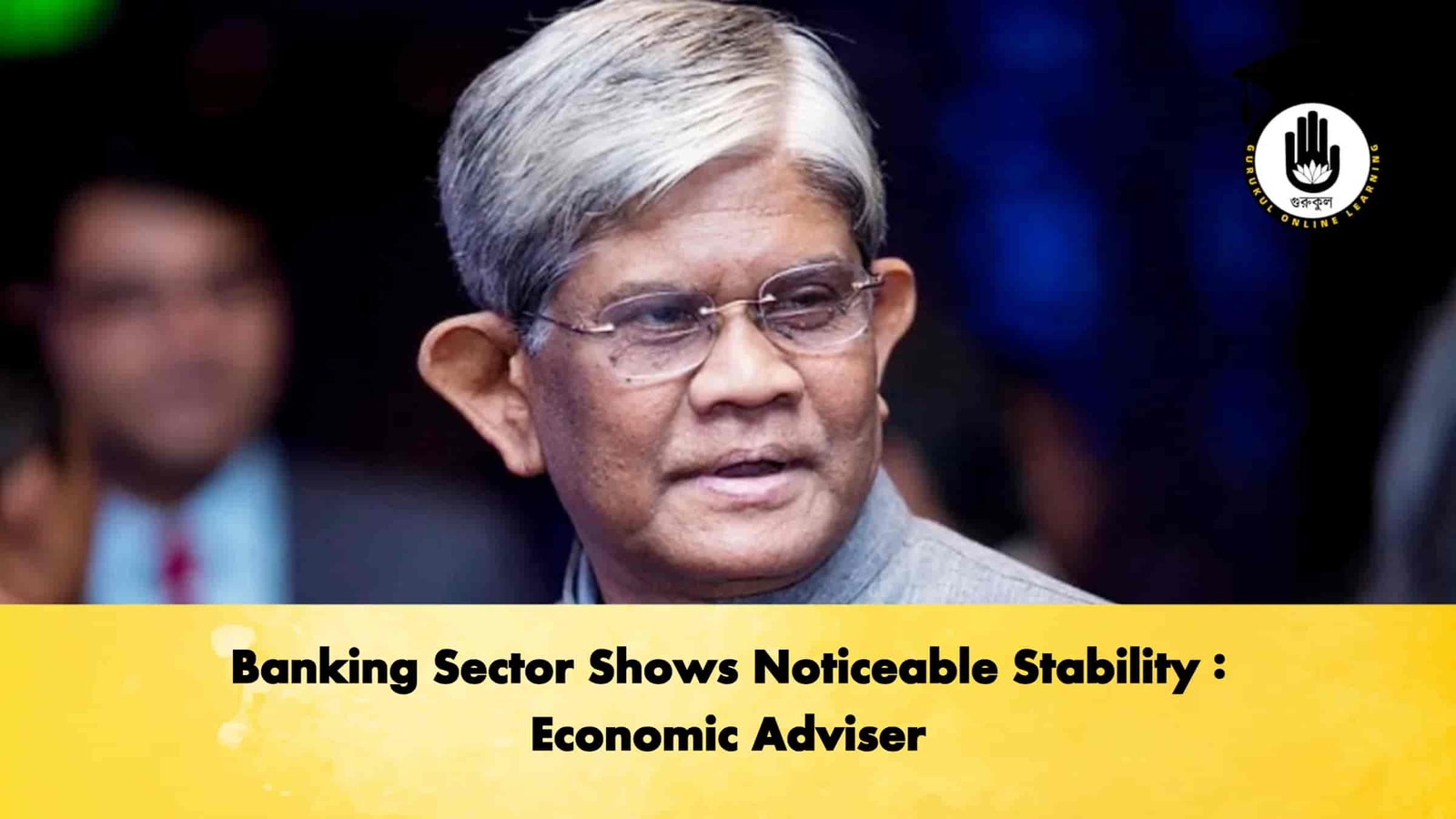
Economic adviser Dr Salehuddin Ahmed has emphasised that reducing interest rates is far from a simple task. According to Dr Ahmed, the determination of interest rates is a complex process, closely intertwined with other financial instruments such as treasury bills and savings certificates. Changes to one element of the system can have wide-ranging effects, meaning that interest rates cannot be adjusted hastily.
However, recent developments have seen the yield on treasury bills fall from 12 per cent to 10 per cent, signalling a degree of renewed stability within the banking sector.
Dr Ahmed made these observations while delivering the keynote address at the launch of the seventh edition of the data-driven publication Banking Almanac, held on Saturday at the CIRDAP Auditorium in Dhaka. The event was chaired by Dr Hossain Zillur Rahman, former adviser to the caretaker government and acting chairman of the Banking Almanac Board of Editors.
The ceremony also featured remarks from prominent figures including Abdul Hai Sarker, chairman of the Bangladesh Association of Banks and Dhaka Bank; Finance Secretary Khairuzzaman Mozumder; Secretary of the Financial Institutions Division Nazma Mobarak; Deputy Governor of Bangladesh Bank Nurun Nahar; former banker Mohammad Nurul Amin; and Mahbubur Rahman, CEO of HSBC Bangladesh. The executive editor of the almanac, Syed Ziauddin Ahmed, and project director Abdur Rahman delivered the welcome address.
Dr Ahmed cautioned that altering interest rates is akin to manipulating a balloon: pressure on one side can cause expansion elsewhere. He noted that although treasury bill yields have decreased, inflation has seen a modest rise, which cannot be managed solely through rate adjustments. Proper supply chain and market regulation are also essential to maintain economic stability.
Dr Hossain Zillur Rahman outlined five key indicators for assessing the health of the economy:
Stability of the banking sector and reserve levels
Confidence and security among entrepreneurs, from small farmers to large business owners
Effectiveness of policies and financial support
Everyday economic comfort, including inflation levels
Good governance, including the accuracy and reliability of information
Abdul Hai Sarker highlighted that the political transfer of control over certain banks has contributed to interest rate pressures, but expressed confidence that government measures could mitigate the issue. Finance Secretary Khairuzzaman Mozumder added that persistent issues with Letter of Credit settlements, which required daily intervention at Bangladesh Bank a year and a half ago, have now been resolved without bankruptcies.
Recent Interest Rates and Inflation (2026)
| Financial Instrument | Previous Rate | Current Rate | Remarks |
|---|---|---|---|
| Treasury Bills | 12–13% | 10% | Increased stability |
| Savings Certificates | 6–7% | 6–7% | No change |
| Inflation | 5.5% | 5.7% | Slight increase |
The publication of Banking Almanac with the support of Bangladesh Bank continues to provide vital insights into the trends and health of the country’s financial sector.