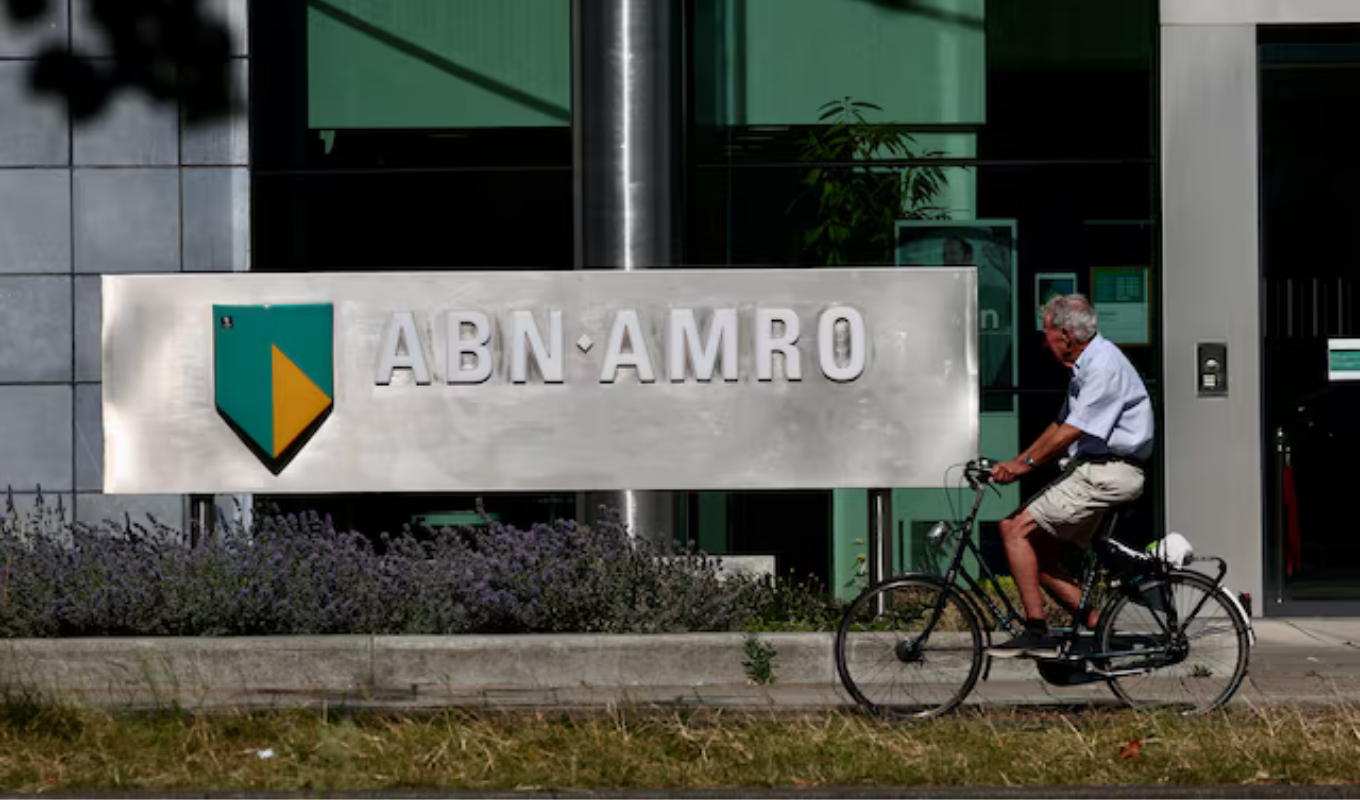
ABN Amro has announced a major strategic step in bolstering its position in the Dutch banking sector by acquiring fellow commercial lender NIBC Bank from private equity owner Blackstone for €960 million (approximately US$1.1 billion). The acquisition, subject to regulatory approval, is expected to be finalised in the second half of 2026.
The deal marks ABN Amro’s most significant acquisition since its purchase of Hauck Aufhäuser Lampe (HAL) in 2024 and forms a central pillar of its renewed focus on scaling operations within its core domestic market.
Dutch Lender Expands Home-Market Footprint Through Strategic Acquisition
Deal Overview
| Item | Details |
|---|---|
| Acquirer | ABN Amro Bank N.V. |
| Target | NIBC Bank |
| Seller | Blackstone |
| Deal Value | €960 million |
| Expected Completion | H2 2026 (pending regulatory approval) |
| Expected Return on Invested Capital (2029) | ~18% |
| Strategic Focus | Domestic market consolidation; mortgage expansion |
Financial Impact and Market Reaction
ABN Amro expects the purchase to materially enhance its long-term profitability. The bank projects a return on invested capital of around 18% by 2029, reflecting both operational synergies and NIBC’s integrated business potential.
Investor confidence strengthened immediately after the announcement, with ABN Amro’s shares rising 3.4% by 1017 GMT. ING analysts described the deal as “good value for money,” emphasising that successful integration will be critical, especially in addressing ABN Amro’s persistent cost pressures.
Third-Quarter Performance: Profits Beat Expectations
ABN Amro exceeded market expectations in its Q3 financial results despite a decline in net profit:
| Financial Indicator (Q3 2025) | Amount | YoY Change | Analyst Forecast |
|---|---|---|---|
| Net Profit | €617 million | -11% | €589 million |
| Driver of Outperformance | Release of unused loan-loss provisions | — | — |
The fall in profit was largely due to lower interest margins compared to the previous year. However, the release of previously booked impairments on bad loans helped offset this decline.
Rising Costs and Workforce Dynamics
Despite earlier commitments to streamline costs, Q3 expenses rose, partly due to the integration of staff from Hauck Aufhäuser Lampe (HAL), acquired in early 2025.
| Workforce Overview | FTE Count |
|---|---|
| End of Q3 2025 | 25,921 |
| End of Q2 2025 | 25,362 |
| NIBC FTEs (pre-acquisition) | 594 |
For 2025, ABN Amro aims to keep total expenses between €5.4 billion and €5.5 billion, slightly below the market projection of €5.56 billion.
Mortgage Business: Renewed Focus on Core Lending
ABN Amro continues to strengthen its mortgage portfolio, with its market share rising to 19%. During the third quarter, the bank recorded a €2.1 billion increase in mortgage lending—reflecting stronger demand and the bank’s strategic emphasis on home financing.
Strategic Significance of the Acquisition
The purchase of NIBC supports ABN Amro’s larger plan to consolidate its retail and commercial banking footprint in the Netherlands, reinforcing its competitive position against both traditional peers and digital challengers.
NIBC brings:
A complementary corporate loan book
Strength in mid-market financing
Additional fee-based income streams
A solid client base in commercial lending and mortgages
The acquisition will allow ABN Amro to broaden customer engagement, deepen product penetration, and achieve operational synergies.
Outlook
The acquisition affirms ABN Amro’s strategic direction: strengthening core domestic operations while optimising cost structures and enhancing profitability. If integration proceeds smoothly, the bank is well positioned to achieve significant long-term gains, further solidifying its presence in the Dutch financial landscape.
ABN Amro now looks ahead to finalising regulatory approval, integrating NIBC’s workforce and portfolio, and leveraging the combined platform to deliver sustained value to shareholders and customers alike.