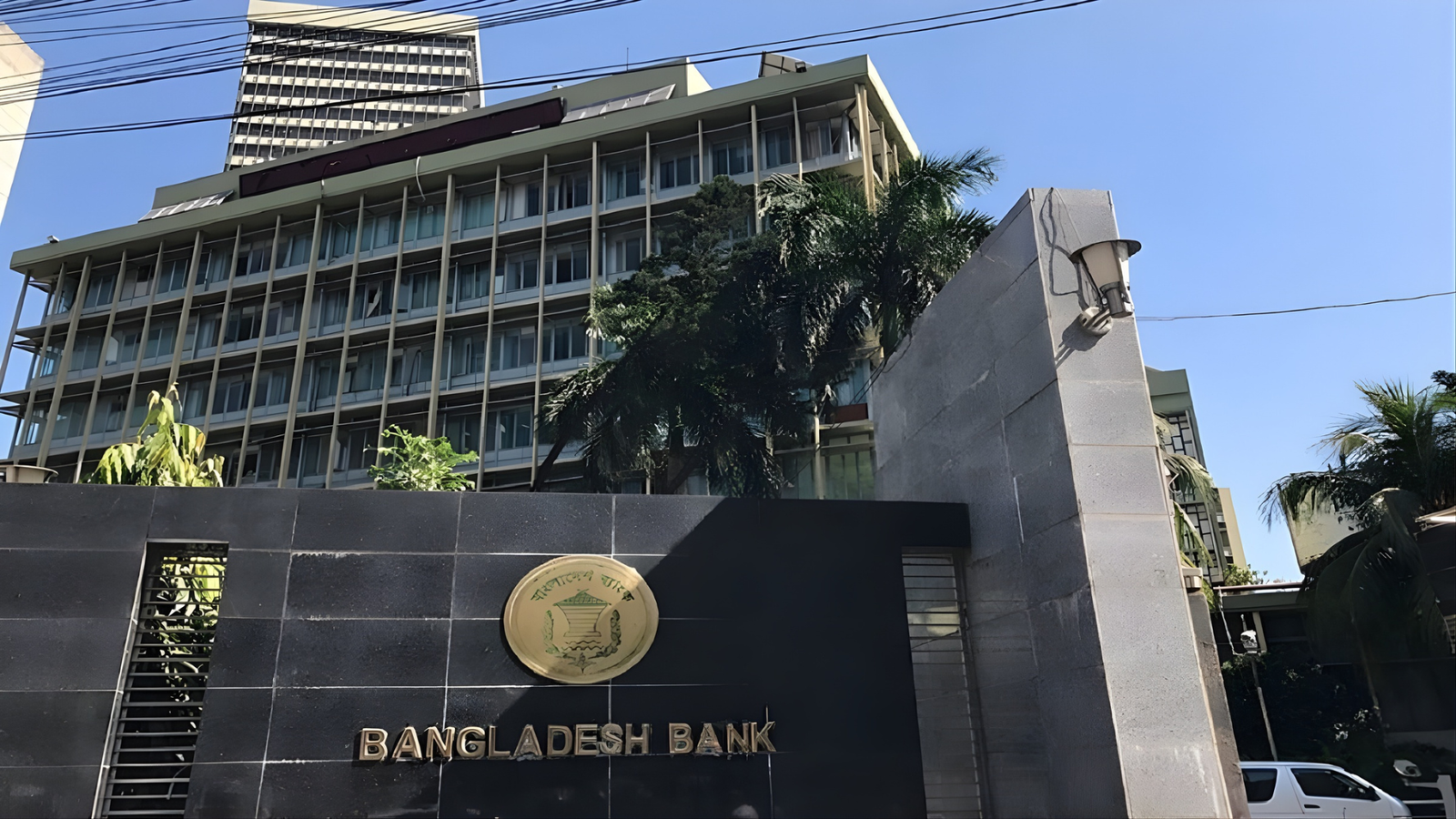
In a move aimed at ensuring stable prices and adequate supply of essential commodities during the upcoming Ramadan, Bangladesh Bank has lowered the cash margin requirements for imports of ten key consumer goods. The new directive, which came into immediate effect, will remain in place until 31 March 2026.
Issued on 11 November by the central bank’s Banking Regulations and Policy Department, the circular instructs all scheduled banks to reduce the cash margin to the minimum level for the import of rice, wheat, onions, lentils, edible oil, sugar, chickpeas, peas, spices, and dates. This reduction will apply when opening Letters of Credit (LCs), based on established banker-client relationships.
Bangladesh Bank’s decision responds to the typical surge in demand for these essential goods during Ramadan, which is expected to start in mid-February 2026. By easing the cash margin requirement, the central bank aims to facilitate smoother imports, maintain market supply, and ensure that prices remain within a reasonable range for consumers.
Previously, importers were required to maintain a 100% cash margin for some essential items during the Ramadan period. However, in response to evolving market conditions, the central bank introduced flexibility in margin requirements based on banker-client relationships, which was in place until 31 March this year.
The new directive also urges banks to prioritise the processing of LCs for these goods to further smooth the supply chain and mitigate any potential shortages in the domestic market.
This proactive approach is expected to help stabilise the market during one of the most significant religious periods for the country’s Muslim population, ensuring that essential goods remain accessible and affordable.