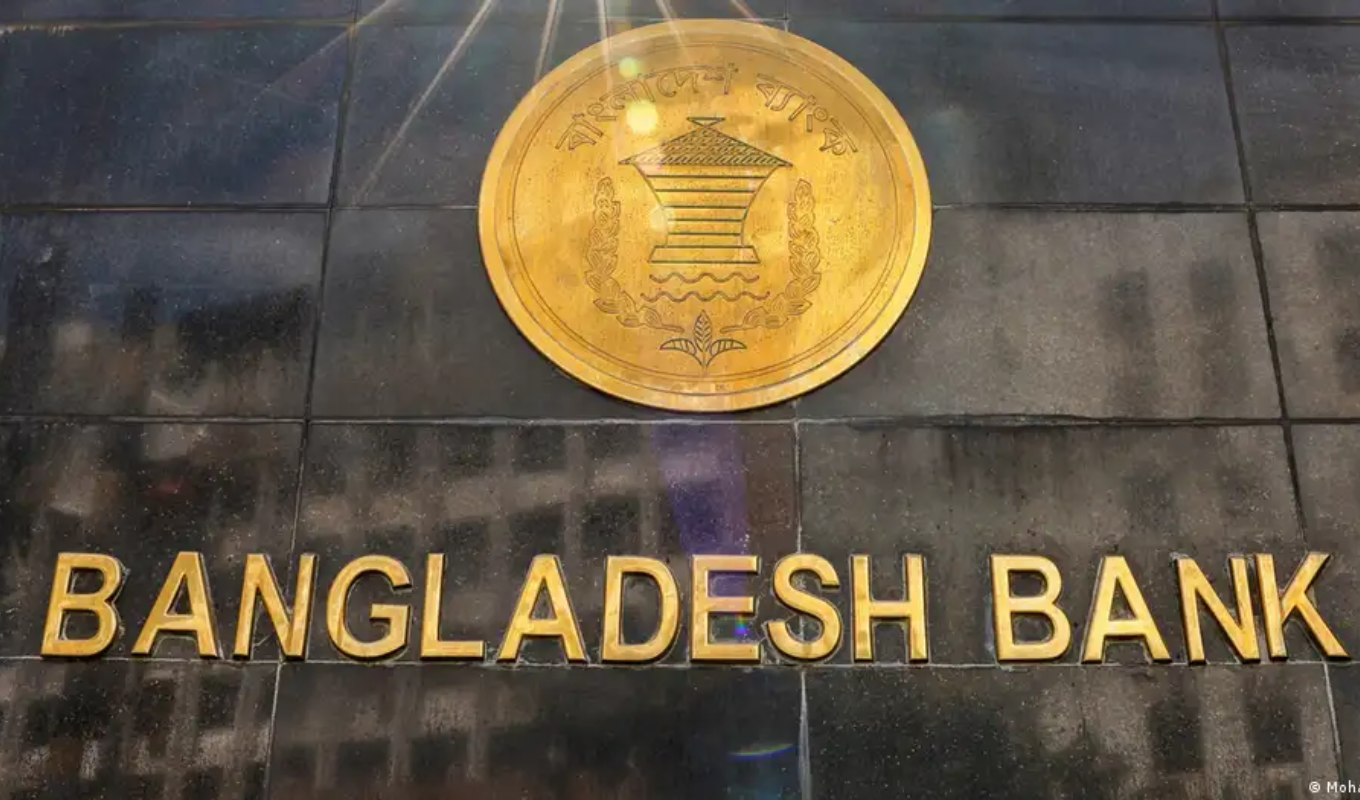
Amid mounting concern among the public over the health of the banking sector, Bangladesh Bank has set out a firm and carefully defined stance, seeking to dispel uncertainty about its responsibilities in times of financial stress. As non-performing loans continue to rise and several banks show signs of severe weakness, the central bank has stated unequivocally that it will not directly refund depositors’ money in distressed institutions. Instead, the obligation to safeguard deposits and honour withdrawals rests entirely with the banks themselves.
This position was reiterated during a press briefing held on Wednesday, 17 December, where Bangladesh Bank’s Executive Director and official spokesperson, Arif Hossain Khan, presented figures that underline the gravity of the situation. By the end of September this year, at least 17 commercial banks were found to have non-performing loan ratios exceeding 50 per cent. Such levels are widely regarded by financial experts as a serious threat to institutional viability, depositor confidence, and the stability of the wider financial system.
Despite the scale of the problem, the central bank has ruled out extraordinary interventions such as nationalisation, forced mergers, or outright takeovers of struggling banks. Instead, the emphasis will be placed on enforcing accountability within existing legal and regulatory frameworks. According to Mr Khan, banks that fail to return depositors’ funds will be compelled to do so through legal means, including court proceedings if necessary. Bangladesh Bank, he stressed, will provide regulatory oversight and policy direction, but will not assume the role of a guarantor.
The central bank’s approach reflects a deliberate attempt to reinforce market discipline and discourage the culture of imprudent lending that has contributed to the current crisis. By maintaining a clear boundary between regulation and financial liability, Bangladesh Bank aims to ensure that bank owners and management remain answerable for their decisions, rather than shifting the burden onto the public purse.
While domestic banking challenges persist, developments on the external front have offered a degree of reassurance. Remittance inflows have recorded a notable increase, providing vital support to foreign exchange reserves and overall economic stability. According to official data, Bangladesh received 1.707 billion US dollars in remittances during the first 14 days of December alone, averaging approximately 121.9 million dollars per day. This marks a significant improvement compared with the same period last year, when inflows stood at 1.381 billion dollars.
One particularly striking moment came on 14 December, when expatriate Bangladeshis sent home close to 200 million dollars in a single day. Cumulatively, from July to 14 December of the current fiscal year, remittances reached 14.746 billion dollars, representing a year-on-year growth of 17.80 per cent.
Recent monthly remittance figures are presented below:
| Month | Remittance Amount (US dollars) |
|---|---|
| July | 2.478 billion |
| August | 2.42189 billion |
| September | 2.68588 billion |
| October | 2.56348 billion |
| November | 2.88952 billion |
Bangladesh Bank attributes this sustained rise to stricter monitoring against informal transfer channels, enhanced incentives for expatriate workers, and growing confidence in formal banking routes. While the surge in remittances has eased some macroeconomic pressures, the central bank concedes that restoring discipline within the banking sector and rebuilding depositor trust remain among the most formidable challenges ahead.