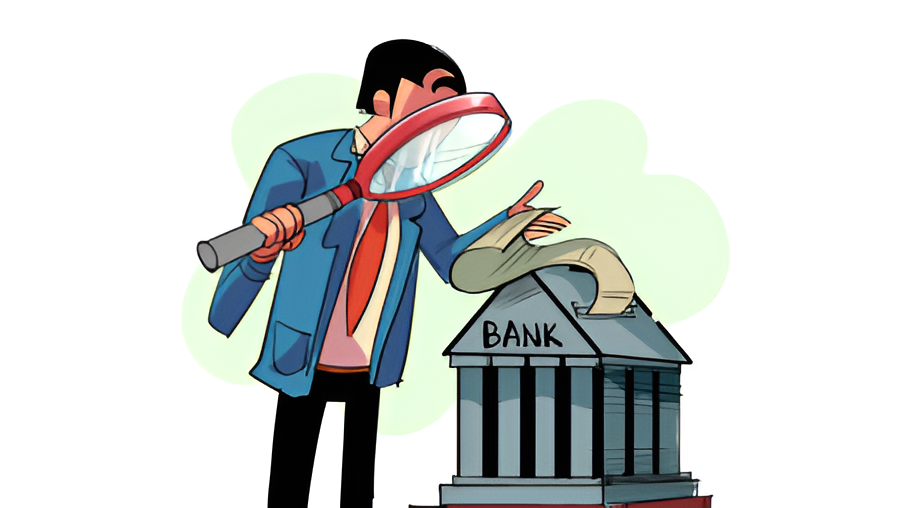
Bangladesh’s banking sector is expected to face ongoing pressures through 2026 due to structural weaknesses, high credit risks, and governance challenges, according to S&P Global Ratings.
The ratings agency highlighted that the industry is hindered by weak liquidity—particularly in some Islamic banks—and capital shortfalls in several state-owned and Islamic institutions, as outlined in its 2025 midyear outlook.
S&P expects the sector’s low profitability to persist, with asset quality strains continuing into 2026.
Shinoy Varghese, primary credit analyst at S&P Global Ratings, said that Bangladesh’s banking industry is grappling with structural problems arising from weak lending standards and ineffective foreclosure laws. “State-owned banks still hold substantial amounts of weak assets. Non-renewals of legacy credit lines, coupled with defaults on rescheduled loans, reveal the underlying vulnerability of borrowers’ cash flows,” he explained.
Recent policy measures, including stricter classification norms for past-due loans, tighter criteria for credit renewal, and stricter enforcement of willful defaulter definitions, have led to greater recognition of stressed assets. Varghese noted that while these actions may cause short-term challenges, they are expected to enhance transparency in line with international standards.
“Interest rates could remain high through 2026, dampening credit demand. However, net interest margins (NIMs) will benefit from this environment as well as the introduction of a market-based lending rates regime,” Varghese added.
Overall, Bangladesh’s banking sector faces a delicate balance: navigating ongoing structural weaknesses while implementing reforms aimed at long-term stability and alignment with global practices.