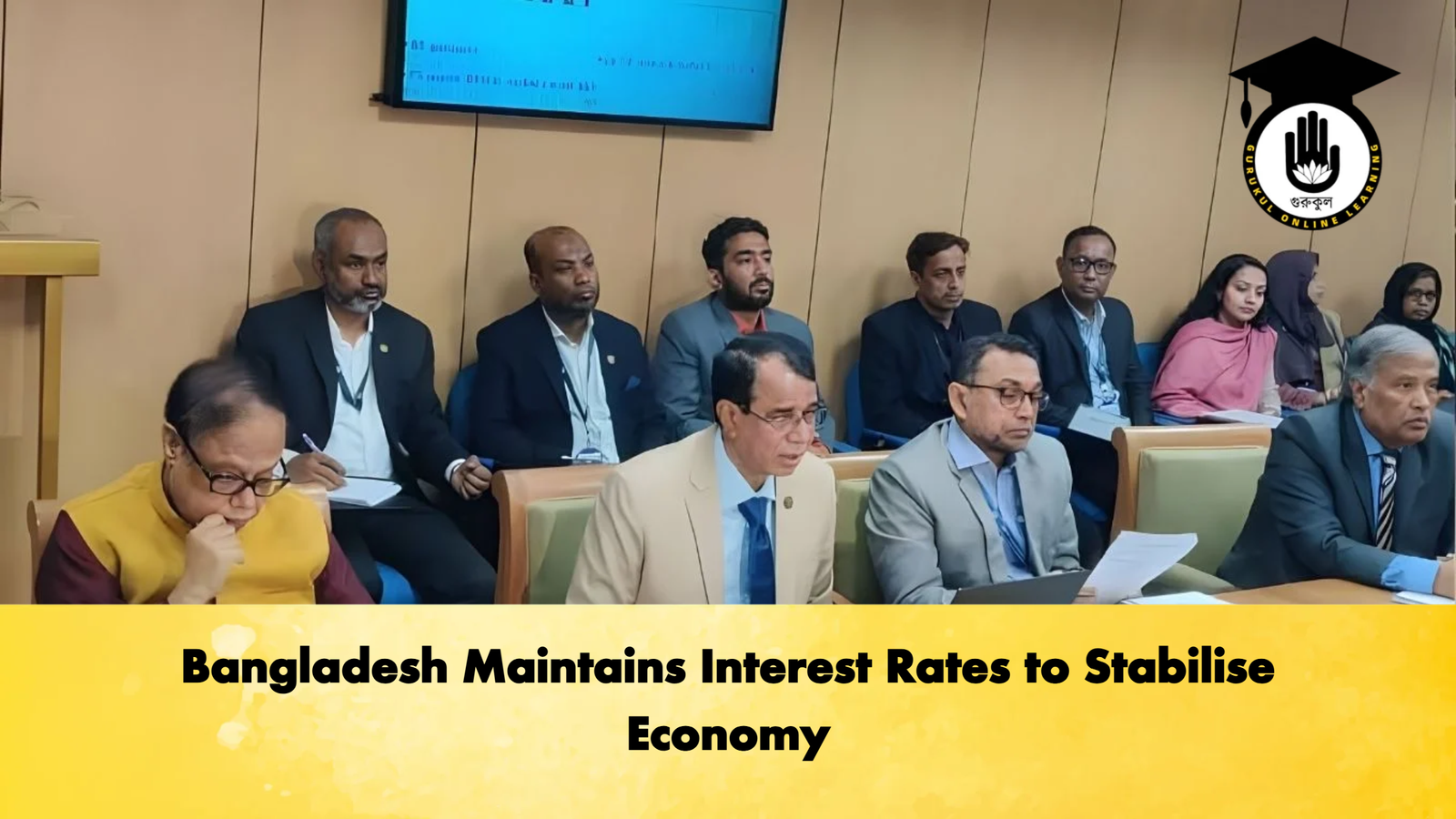
In a bid to control inflation and ensure economic stability, Bangladesh Bank has announced its monetary policy for the first half of 2026, maintaining continuity with previous policy measures. The central bank has decided to keep the key policy interest rate unchanged at 10 per cent, signalling a cautious approach to balancing credit flow, investment, and foreign exchange stability.
Bangladesh Bank Governor Ahsan H. Mansur commented, “While reducing inflation to our target of 7 per cent remains a work in progress, our monetary policy has already yielded positive outcomes in other indicators. We expect inflation to moderate in the coming months. Our foreign exchange reserves remain stronger than before.”
Official data shows that point-to-point overall inflation rose to 8.58 per cent in January 2026, up from 8.29 per cent in December 2025. Economists suggest that the effects of the upcoming national parliamentary elections in February, coupled with seasonal Ramadan-related price pressures, are likely to limit any significant decline in inflation during March. The central bank has been actively working to curb rising inflation over the past three months.
The International Monetary Fund (IMF) has advised that the policy rate should remain unchanged until inflation falls below the 7 per cent threshold. In line with this guidance, minor adjustments were made to other interest rates, while the primary policy rate remained steady.
Key Monetary Policy Indicators:
| Indicator | Previous Rate | New Rate | Remarks |
|---|---|---|---|
| Policy Rate | 10% | 10% | Unchanged |
| Standing Lending Facility (SLF) | 11.5% | 11.5% | Unchanged |
| Standing Deposit Facility (SDF) | 8% | 7.5% | Slight reduction |
| Private Sector Credit Flow (est.) | 7.2% | 8.5% | Credit flow increased |
Bangladesh Bank has long followed a contractionary monetary policy. The policy rate was raised in September 2022 after inflation surged to 9.52 per cent and again in July 2024 when inflation reached 11.66 per cent. Following student protests and government transitions, the central bank implemented stricter measures from August 2024, gradually bringing inflation down to 8.17 per cent by October 2025. However, it increased slightly over the next three months to 8.58 per cent in January 2026.
Governor Mansur further noted, “Maintaining the interest rate has helped stabilise the exchange rate. Remittance inflows and foreign currency supply are also increasing, which is beneficial for the overall economy.”
Bangladesh Bank’s monetary policy primarily focuses on regulating money supply, credit flow, and inflation. Policies are reviewed and announced every six months, and the new measures aim to sustain economic stability throughout the first half of 2026.