27 February 2026 — Dhaka
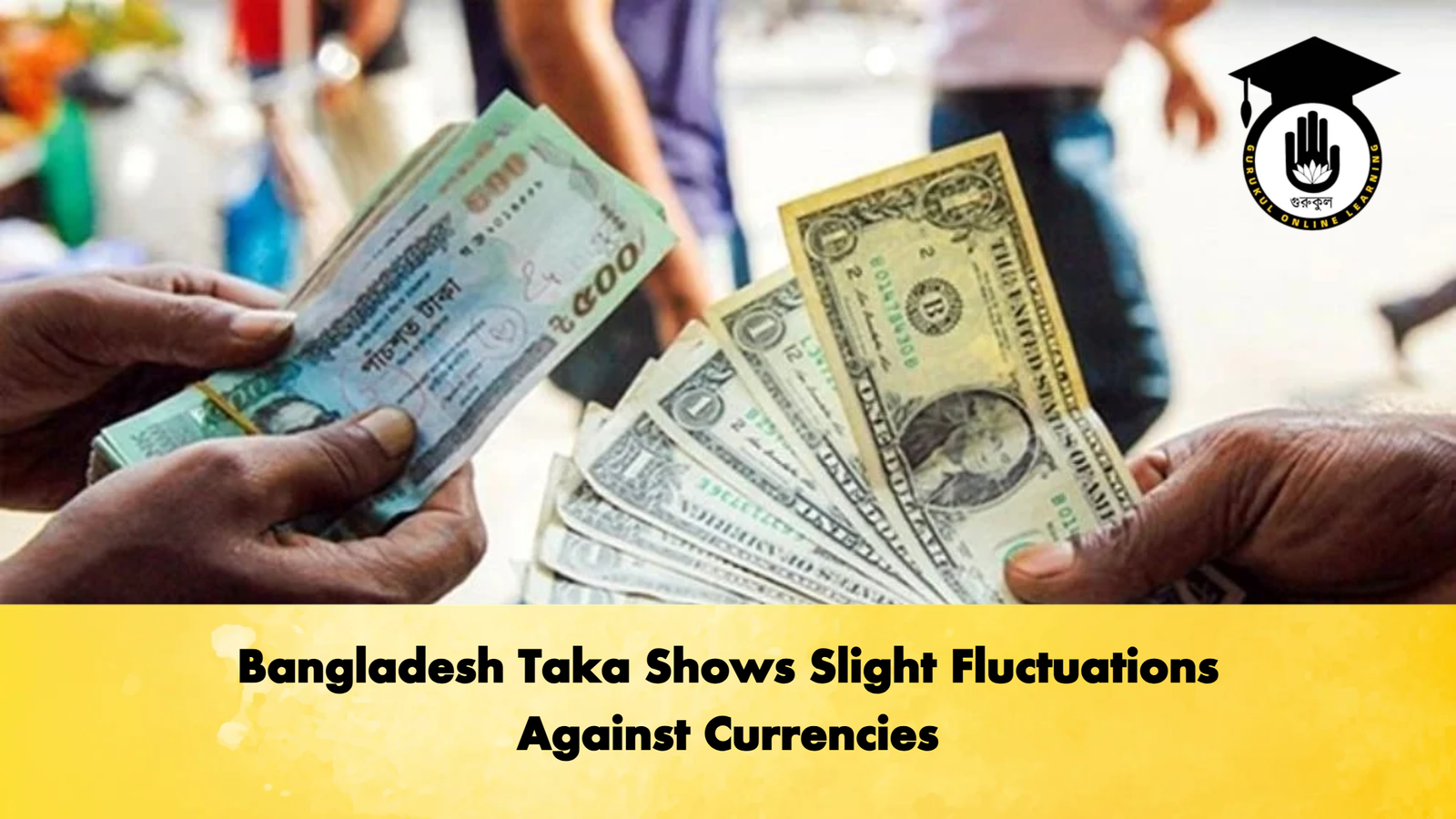
The Bangladeshi Taka experienced minor fluctuations against major international currencies today, reflecting the combined effects of the country’s economic conditions and global market dynamics. According to the latest data from Bangladesh Bank, the local currency has largely remained stable, although small variations were observed in certain cases.
Economic analysts attribute these changes to factors such as international trade, crude oil price movements, foreign direct investment, and remittance inflows, all of which exert direct influence on the nation’s currency market. For traders, businesses, banks, and the general public, staying informed about the daily exchange rates has become essential for smooth financial transactions.
Exchange Rates Against Major Currencies (27 February 2026)
| Foreign Currency | Exchange Rate (BDT) |
|---|---|
| US Dollar (USD) | 122.28 |
| Euro (EUR) | 144.40 |
| British Pound (GBP) | 165.34 |
| Saudi Riyal (SAR) | 32.61 |
| Malaysian Ringgit (MYR) | 31.46 |
| Singapore Dollar (SGD) | 96.79 |
| Dubai Dirham (AED) | 33.30 |
| Kuwaiti Dinar (KWD) | 398.84 |
| Omani Rial (OMR) | 317.82 |
| Qatari Riyal (QAR) | 33.59 |
| Bahraini Dinar (BHD) | 325.26 |
| Brunei Dollar (BND) | 96.74 |
| Canadian Dollar (CAD) | 89.87 |
| Chinese Renminbi (CNY) | 17.84 |
| Japanese Yen (JPY) | 0.79 |
| South Korean Won (KRW) | 0.08 |
| Iraqi Dinar (IQD) | 0.09 |
| Turkish Lira (TRY) | 2.78 |
| Indian Rupee (INR) | 1.34 |
| Maldivian Rufiyaa (MVR) | 7.88 |
| Libyan Dinar (LYD) | 19.33 |
| South African Rand (ZAR) | 7.69 |
In recent days, minor volatility has been noted particularly in the US Dollar and Euro rates, largely influenced by international trade developments and oil market fluctuations. Currencies from the Middle East have also seen slight adjustments, which could have implications for remittances and commercial transactions.
Experts advise the public to check the latest exchange rates before engaging in any foreign currency transactions. Government policies continue to focus on maintaining Taka stability while gradually reducing dependence on foreign currencies. Analysts remain optimistic that, with sustained economic reforms and increased foreign investment, the Taka is likely to strengthen further in the near future.
Monitoring the Taka’s stability and the foreign exchange market remains vital for ensuring Bangladesh’s broader economic security and resilience in an increasingly globalised financial environment.