Overview
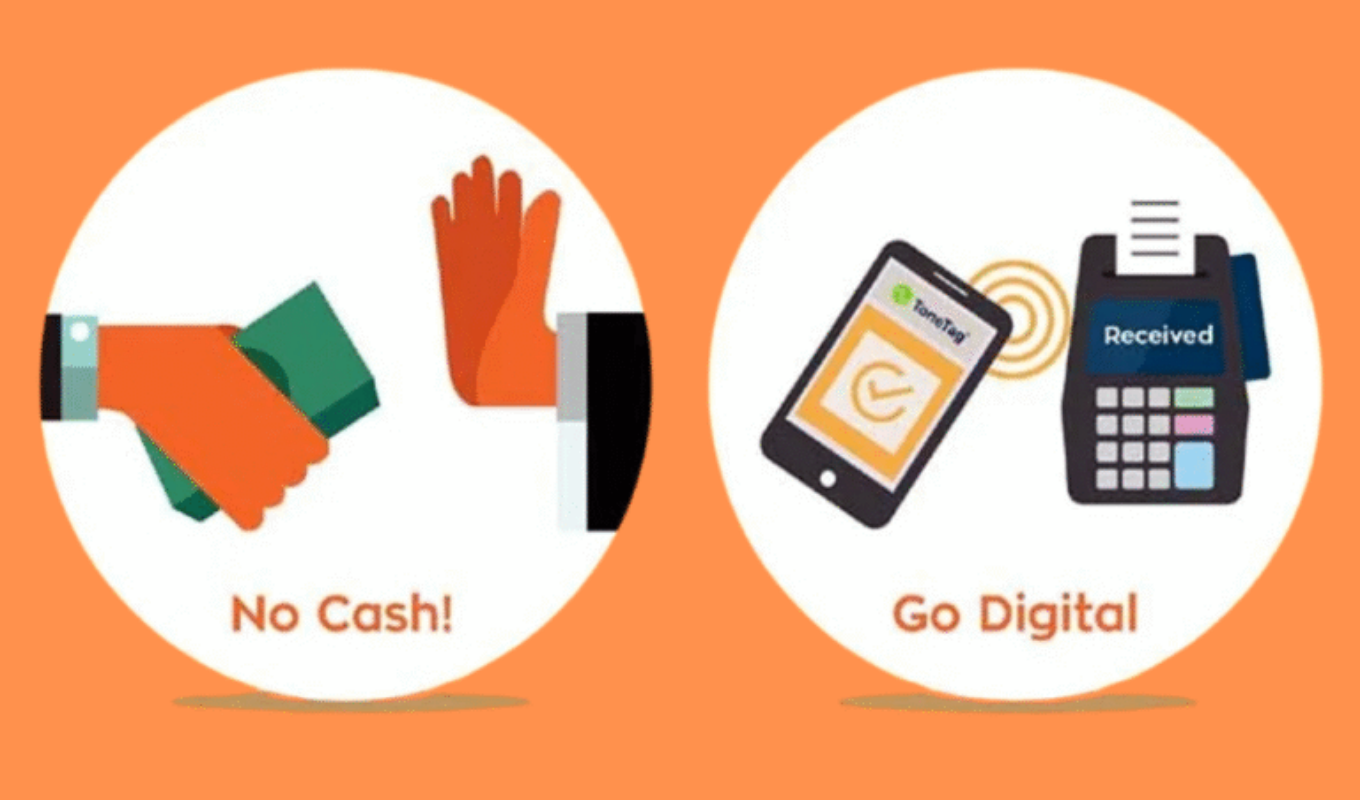
Over the past decade, digital financial services in Bangladesh have made remarkable strides. The primary driver behind this progress has been Mobile Financial Services (MFS), which has simplified daily financial activities for millions of people across the country. Currently, over 90 million active users are transacting nearly 500 billion Bangladeshi Taka daily via MFS.
In addition to MFS, internet banking, card payments, and other digital channels are also experiencing significant growth. Recently, Bangladesh Bank issued an important circular allowing instant money transfers between accounts of any bank, MFS, or payment service provider (PSP) within the country. This initiative is being hailed as a groundbreaking step in the country’s financial system and is set to usher in a new era for the digital economy.
Learning from Neighbours
Examples from neighbouring countries are drawing attention. India’s success with cashless payments is largely due to peer-to-peer (P2P) transfers and the lack of charges on most QR code transactions. In Pakistan, P2P transfers are free, and the government incentivises QR payments by providing a 0.5% subsidy to providers.
In Bangladesh, the two key components of cashless transactions are Quick Response (QR) code payments and P2P transfers. In 2021, Bangladesh Bank introduced the Bangla QR scheme, enabling customers to send money instantly by scanning a code through any bank or wallet app. Now, Bangladesh Bank is rolling out P2P transfers, allowing users to send money easily from their bank accounts to another person’s MFS account in any region of the country.
Lessons from India, Sri Lanka, and Pakistan
India launched the Unified Payments Interface (UPI) in 2016, which now handles transactions worth approximately $280 billion monthly. Sri Lanka introduced P2P transfers in 2018 and QR payments in 2019. Pakistan implemented its digital payment platform, Raast, in 2022. India and Pakistan’s success has been attributed to low-cost P2P transfers and the absence of fees on most QR payments.
In Bangladesh, MFS is the most popular method of digital payment. Although customers can receive money for free, withdrawal charges apply. To balance this, Bangladesh Bank has discussed pricing structures with MFS providers, banks, and PSPs. Here is a breakdown of the service charges for P2P transfers:
| Sender Type | Charge per 1,000 Taka |
|---|---|
| MFS to MFS | 8.50 Taka |
| Bank to Bank | 1.50 Taka |
| PSP to PSP | 2.00 Taka |
QR payments will remain free for customers, but the maximum Merchant Discount Rate (MDR) for merchant transactions will be 1.15% of the transaction amount.
Building Trust and Awareness
To ensure the success of digital transactions, service quality and reliability must be maintained. All transactions should be successfully completed to foster user trust and confidence. Additionally, there needs to be widespread awareness about digital payment benefits among customers and businesses. This will require collaboration from the government, Bangladesh Bank, and all service providers.
Incentives and Investment
Similar to India and Pakistan, Bangladesh could also consider introducing incentive programmes. Currently, the country spends approximately 20,000 crore Taka annually on cash management. Investing just a small portion (around 5%, or 1,000 crore Taka) in promoting digital transactions could yield significant long-term benefits for the economy.
Leadership and Implementation
Bangladesh Bank will lead the digital transformation, but successful implementation will require a coordinated effort. All stakeholders—including banks, MFS providers, and PSPs—must work together, possibly through a dedicated committee. Continuous monitoring is necessary to ensure service quality and resolve any issues quickly.
To accelerate cashless transactions, certain steps can be taken, such as making the Bangla QR code mandatory for all businesses and replacing existing QR codes with Bangla QR codes swiftly. Every licensed store should display a QR code, and QR codes should be issued for all banks, MFS providers, and PSPs. This initiative could lead to the issuance of over 100 million QR codes, boosting both awareness and transaction volumes.
Furthermore, utility bills (including electricity) should feature QR codes, and public services like metro rail stations should implement QR code-based ticketing and payments.
Impact on Financial Inclusion
Bangladesh Bank’s cashless transaction initiative will reduce dependence on cash and strengthen financial inclusion. It will link small businesses and entrepreneurs to formal financial systems. With strong leadership, practical policies, and cooperation from all partners, this initiative will help usher in a new chapter of economic progress for a Digital Bangladesh.