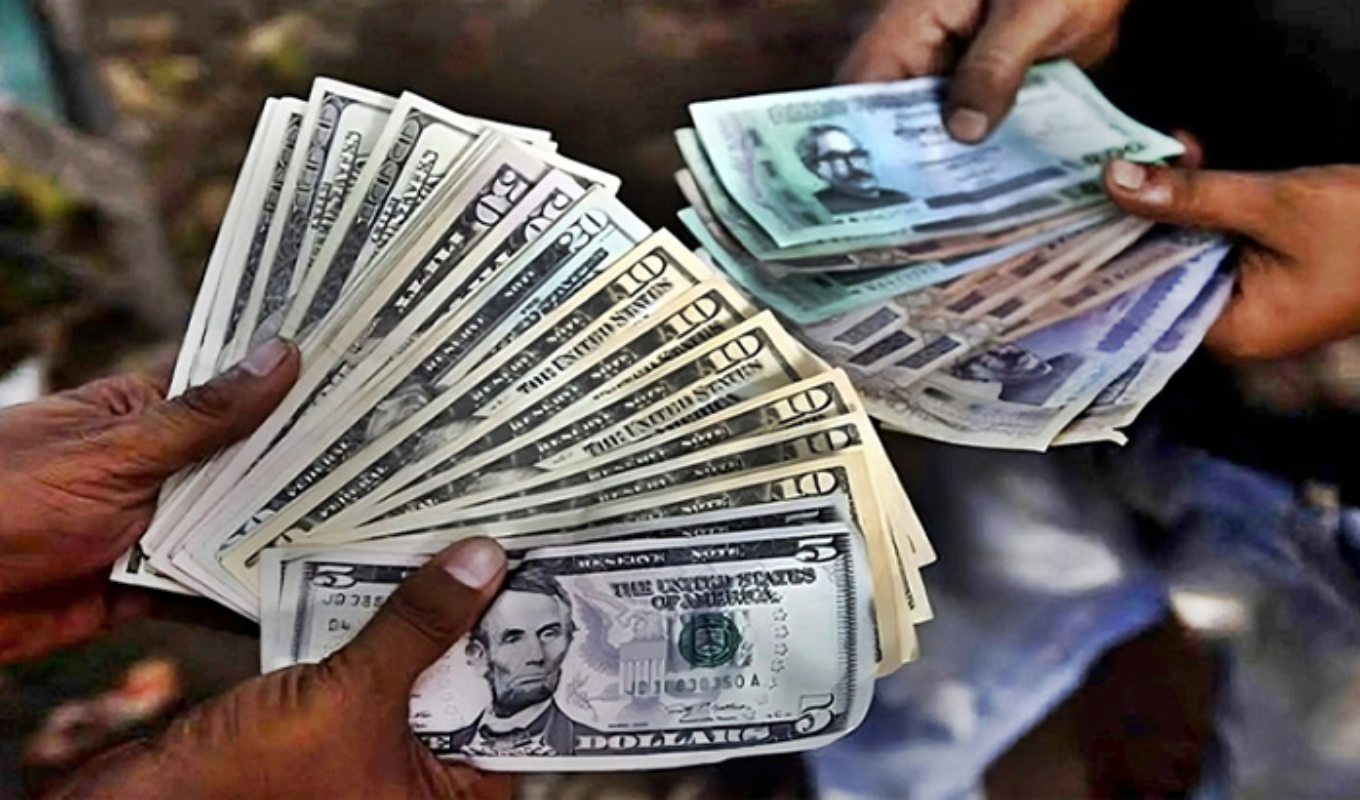
On the first working day of the week, Bangladesh’s foreign exchange market recorded mixed movements across major international currencies, with the US dollar edging slightly lower after remaining unchanged for several days. Sunday’s trading reflected cautious sentiment among market participants, who continue to respond to economic uncertainty both at home and abroad.
Bangladesh Bank data showed that the dollar traded within a narrow range throughout the day. The highest recorded rate was Tk 122.29, while the lowest stood at Tk 122.25, resulting in an average rate of Tk 122.28. Although the decline was marginal, it marked a shift from the recent pattern of stability observed last week.
The dollar’s performance remains a central concern for Bangladesh’s economy due to its dominant role in international trade and financial transactions. Since July, the exchange rate has fluctuated repeatedly, driven by factors such as rising import demand, changes in foreign exchange reserves, and adjustments to monetary policy. The latest movement suggests short-term easing rather than a decisive trend.
Other currencies displayed varied behaviour. The British pound weakened, reflecting broader pressures in global currency markets. The Indian rupee, Chinese yuan, and Australian dollar also declined against the taka, suggesting reduced demand or adjustments in cross-border trade settlements. In contrast, the euro and Singapore dollar gained value, while the Japanese yen remained stable.
Traders noted that the open market continues to offer foreign currencies at slightly higher prices than official rates. This difference underscores ongoing constraints in the foreign exchange supply and highlights the cautious approach adopted by dealers. Businesses seeking to settle import payments often face higher effective costs, even when official rates show relative stability.
The broader economic implications of these movements are significant. Exchange rate fluctuations directly affect the cost structure of businesses, particularly those reliant on imported inputs. A weaker taka increases production costs, which are often passed on to consumers through higher prices. At the same time, exporters must adjust pricing strategies to remain competitive in international markets.
Financial analysts argue that short-term movements should be interpreted carefully. While Sunday’s decline in the dollar may provide temporary relief, underlying structural challenges remain unresolved. These include the need to strengthen foreign reserves, manage import demand, and maintain confidence in the currency market.
As Bangladesh navigates these challenges, policymakers face the difficult task of balancing stability with flexibility. Maintaining orderly conditions in the foreign exchange market remains critical to supporting trade, investment, and overall economic resilience in the months ahead.