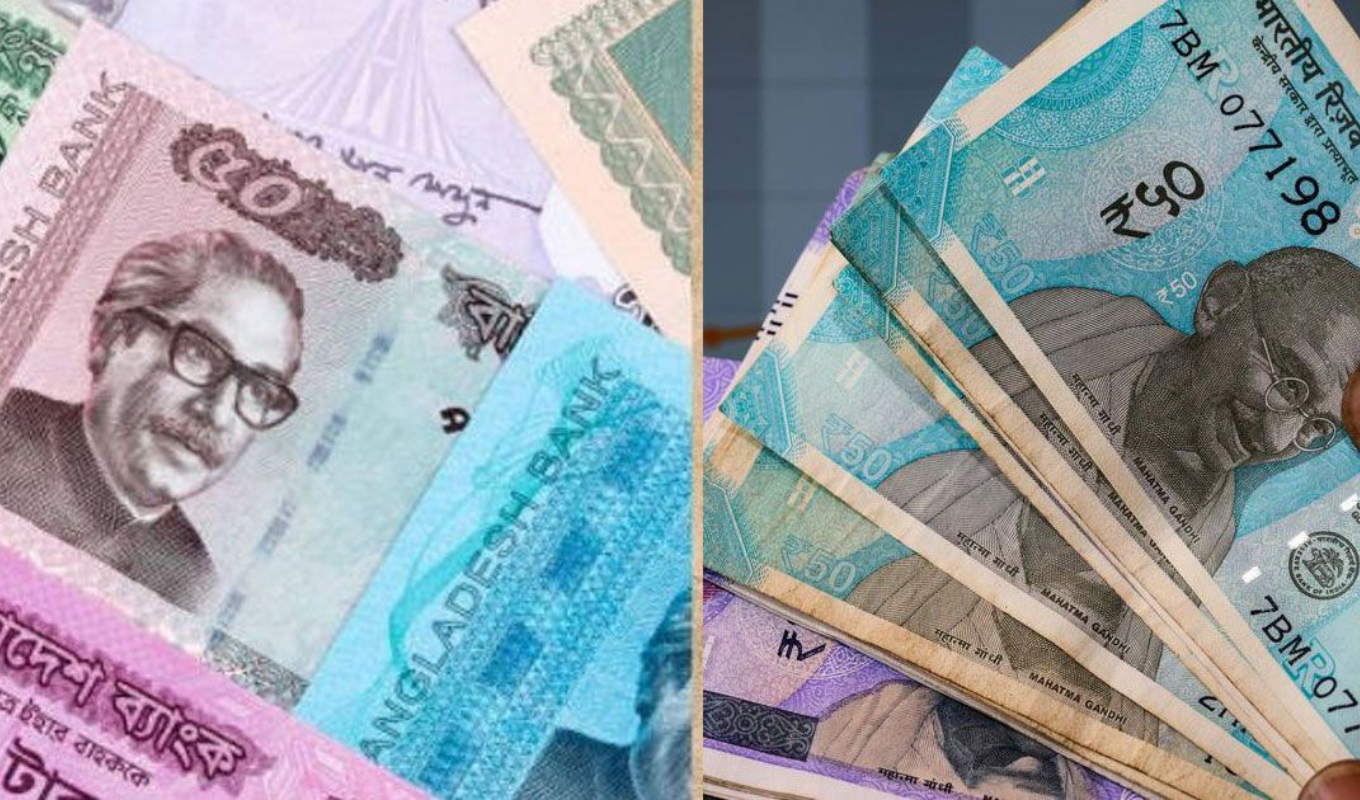
India’s rupee held firm this week, staying just above its record low after the Reserve Bank of India (RBI) intervened in the foreign exchange market to defend a crucial psychological level and maintain market stability amid persistent global and domestic economic pressures.
Currency traders confirmed that the RBI instructed several state-run banks to sell US dollars when the rupee approached the ₹88.80 per dollar mark, signalling the central bank’s determination to prevent further depreciation. The intervention, conducted through selective dollar sales, effectively established a short-term floor for the rupee, reassuring investors of the RBI’s active monitoring of exchange rate movements.
| Key Economic Indicators (as of 13 Nov 2025) | Value / Movement |
|---|---|
| Rupee Exchange Rate (vs USD) | ₹88.74 |
| RBI Intervention Level | ₹88.80 |
| 10-Year Government Bond Yield | 6.503% |
| Headline Inflation | 0.25% (record low) |
| Core Inflation | 4.4% |
| Sensex Index | +0.3% |
| Nifty 50 Index | +0.3% |
Central Bank Steps in Amid Market Sensitivity
Analysts suggest that the RBI’s latest intervention reflects growing concern over imported inflation risks and potential capital outflows. The central bank has been carefully balancing its exchange rate management with liquidity control, given global uncertainty and shifting expectations regarding future interest rate decisions.
The rupee had recently been under pressure from increased corporate demand for foreign exchange hedging, driven by fears of further depreciation and global commodity volatility. However, the RBI’s timely actions have so far prevented the currency from breaching its all-time low, last seen in early 2024.
“By clearly defending the ₹88.80 level, the RBI is sending a strong signal to the market that excessive volatility will not be tolerated,” said an economist at ICICI Securities. “This helps restore investor confidence, particularly among import-dependent sectors and bond investors.”
Mixed Signals Across Financial Markets
While the stock market remained relatively stable, with both the Sensex and Nifty 50 gaining around 0.3%, the bond market reflected a more cautious tone. The benchmark 10-year government bond yield inched up to 6.503%, as traders assessed the implications of softening inflation and potential monetary policy shifts.
India’s headline inflation rate eased to a record low of 0.25%, largely due to a decline in food and energy prices. However, core inflation—which excludes these volatile components—remained elevated at 4.4%, suggesting that underlying price pressures persist. This divergence has complicated policy expectations, with analysts divided over the likelihood of a near-term rate cut.
Some economists, including those at Goldman Sachs, have forecast a possible 25-basis-point rate reduction in December, citing subdued inflationary pressures. However, others believe the RBI may prefer to maintain its current stance until a clearer global monetary outlook emerges.
Global Context
India’s currency movements mirror broader trends in emerging markets. Across Asia, most currencies recorded minimal changes this week, reflecting cautious investor sentiment. The Japanese yen recently fell to a record low against the euro, underlining the widening gap between Japan’s ultra-loose monetary policy and Europe’s relatively tighter stance.
In this context, the rupee’s stability appears to underscore the RBI’s proactive management approach, which contrasts with more passive policies in some neighbouring economies. Still, analysts warn that with lingering inflationary risks, volatile oil prices, and political uncertainty in major economies, the rupee is likely to remain highly sensitive to global developments for the foreseeable future.
“Short-term interventions can calm markets,” noted a Mumbai-based fund manager, “but the rupee’s long-term resilience will depend on sustained foreign investment flows, stable inflation, and disciplined fiscal management.”