Bangladesh Bank has recently reported that the country’s mobile financial service (MFS) provider, Nagad, has largely brought its financial risks under control. However, the central bank emphasises that substantial investment will be essential for the service to sustain itself in the long term. According to the report, any inflow of capital—whether from domestic or foreign sources—would significantly strengthen Nagad’s financial and operational resilience.
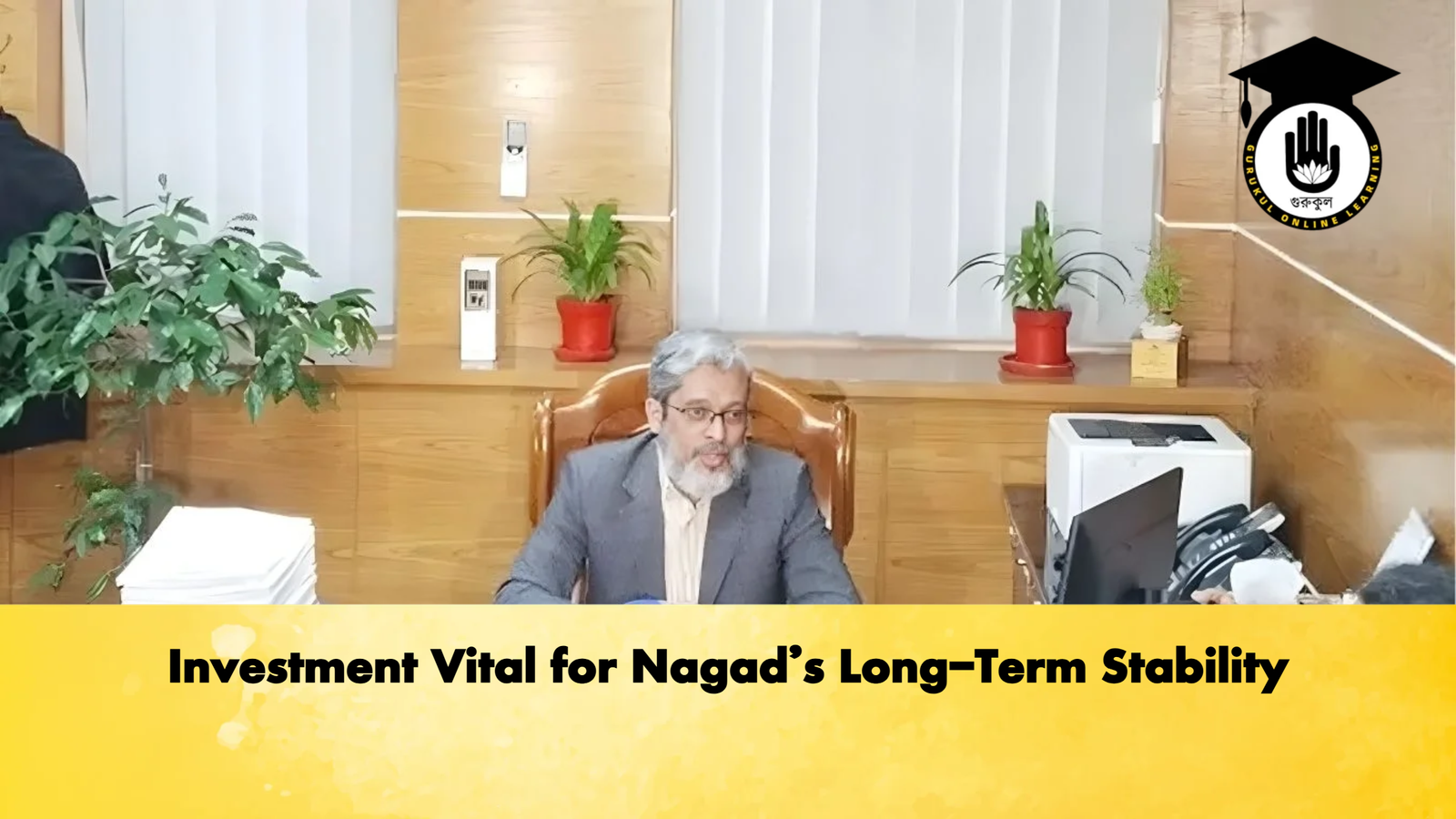
Speaking at a briefing at the central bank’s Dhaka headquarters on Tuesday (24 February), Executive Director and spokesperson Arif Hossain Khan said, “Nagad faced a major financial crisis in the past. Due to its extensive customer base and market presence, Bangladesh Bank appointed an administrative team to oversee the service. Their long-term management has led to notable improvements in financial indicators, transaction records, and overall operations. Yet, this is not a permanent solution. Large-scale investment is necessary to place Nagad on a solid and sustainable footing.”
Earlier, Member of Parliament Barrister Mir Ahmad Bin Qasem Arman had met with the Governor of Bangladesh Bank to propose attracting foreign investment for Nagad. The discussions covered investment procedures, policy guidelines, and implementation timelines.
Current Status of Nagad
| Indicator | Description | Comments |
|---|---|---|
| Customer Base | Over 10 million | Second-largest MFS provider in Bangladesh |
| Ownership | Bangladesh Post Office | Government-owned; final decisions rest with the government |
| Administrative Team | Appointed | Ensured improvements in financial and operational performance |
| Foreign Investment | Under consideration | Previous international tender not finalised; awaiting government directive |
| Risk & Sustainability | Moderately controlled | Long-term stability difficult without significant investment |
Arif Hossain Khan also acknowledged that Nagad had faced allegations of irregularities in the past, which will be addressed through legal channels. He stressed that securing the necessary investment is critical to maintaining normal operations.
He added, “If Nagad fails to sustain itself, it could create a monopolistic environment in the country’s MFS sector, which would ultimately harm consumers. Bangladesh Bank is prepared to provide policy guidance and technical support in consultation with the government if necessary.”
The spokesperson’s remarks make it clear that Nagad’s future cannot rely solely on the competence of its administrative team. Without substantial investment and clear, long-term policies, sustaining the service will be difficult. As the second-largest MFS in Bangladesh, handling transactions for millions of customers, Nagad plays a pivotal role in the nation’s digital economy.
Ensuring its long-term viability, therefore, requires decisive government directives and the effective execution of investment strategies.