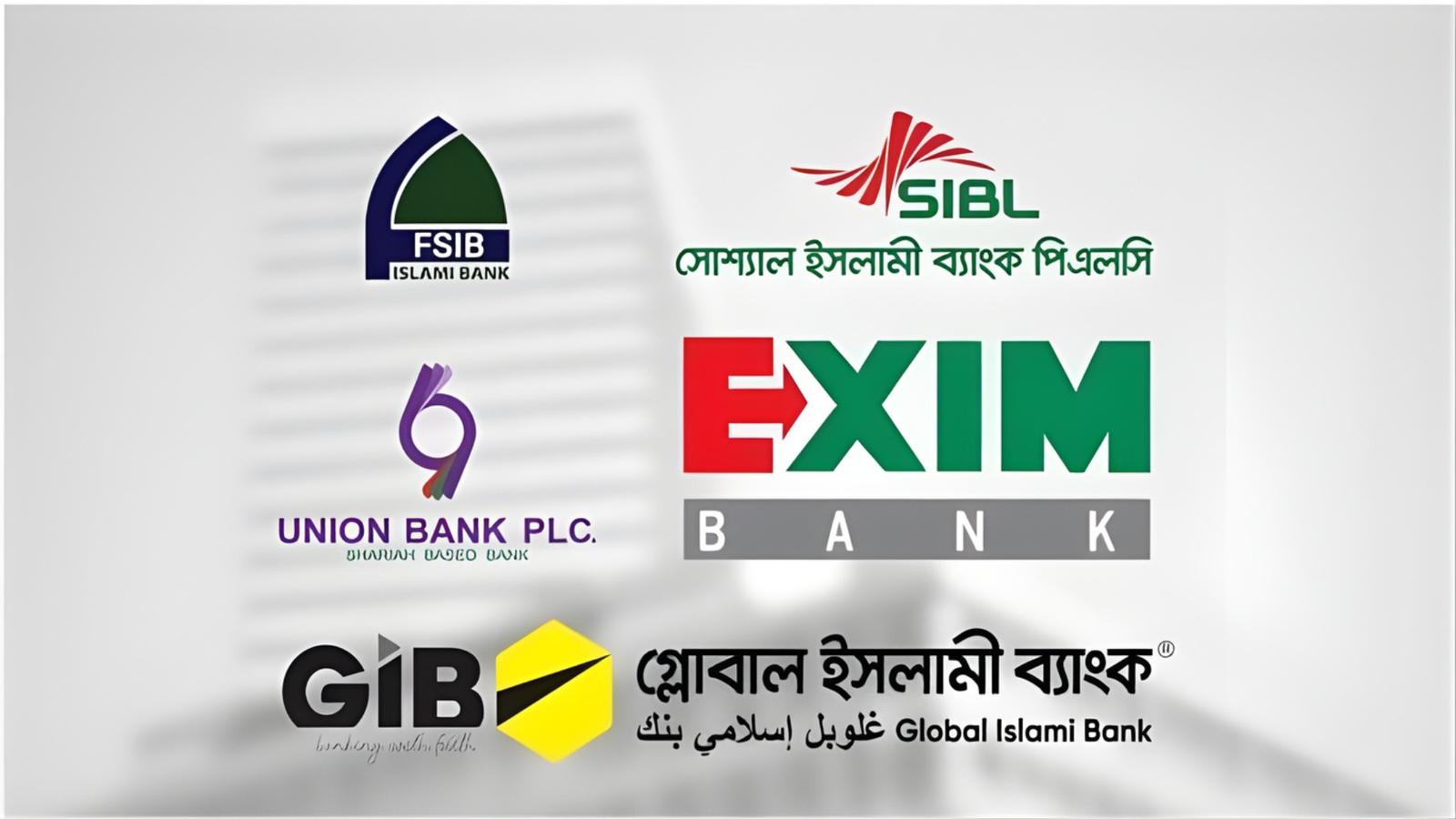
A writ petition has been filed at the High Court questioning the legality of the government’s decision to merge five struggling private banks into a single entity.
The petition was filed by Barrister Sayed Mahsib Hossain on behalf of Shahidul Islam, a general investor in one of the banks involved in the merger, on Tuesday (18 November). The petition calls for directions to safeguard the interests of shareholders and ensure that adequate measures are taken to allocate shares to the general shareholders, including the petitioner, based on their existing shareholdings in the affected banks: First Security Islami Bank, Union Bank, Global Islami Bank, Social Islami Bank, and EXIM Bank.
The petition names several respondents, including the Governor of Bangladesh Bank, the Finance Secretary, and other relevant officials, who are expected to defend the government’s position.
Barrister Hossain explained that the writ could be heard in the High Court either this week or next. According to the writ, the merger process could potentially violate the fundamental rights of ordinary shareholders by excluding them from receiving shares in the new unified entity, which has been proposed to be named “Sammilito Islami Bank”.
The petitioner argues that shareholders in the five banks have purchased shares which were traded on the securities market, and that the government’s actions amount to a breach of their constitutional right to hold property. Without issuing shares to these investors in the new bank, the merger appears to contravene their property rights.
The petition further criticises the move to merge the five banks without ensuring any protection for the shareholders’ interests. The proposed merger, which will unite First Security Islami Bank, Union Bank, Global Islami Bank, Social Islami Bank, and EXIM Bank under one unified bank, is seen as a drastic measure aimed at addressing the serious financial instability in the country’s banking sector.
However, the petition argues that this merger process has been rushed and that the Bangladesh Bank was unprepared for such an action. Despite ongoing issues such as corruption, poor management, politically motivated lending, and record levels of non-performing loans (NPLs), the government is proceeding with the merger in an attempt to prevent a systemic collapse.
The writ also highlights concerns that shareholders of the merged banks will not receive any compensation or shares in the newly formed bank. According to reports, the Central Bank has stated that shareholders and general investors of the five banks involved will be required to bear the losses as part of the restructuring process. This stance, the petition argues, effectively disregards the interests of small investors and violates the constitutional rights of ordinary shareholders.
On 9 October, the interim government’s Advisory Council approved the proposal to merge the five banks into a new Shariah-compliant bank, which will operate on commercial and professional principles. The two proposed names for the new entity are “United Islamic Bank” and “Sammilito Islami Bank”. However, the petition alleges that despite the government’s claim of protecting depositors’ wealth, the interests of the smaller shareholders have been entirely overlooked.
In conclusion, the writ calls for the government to issue shares to the general shareholders in the newly proposed bank, to ensure the protection of their rights as investors.