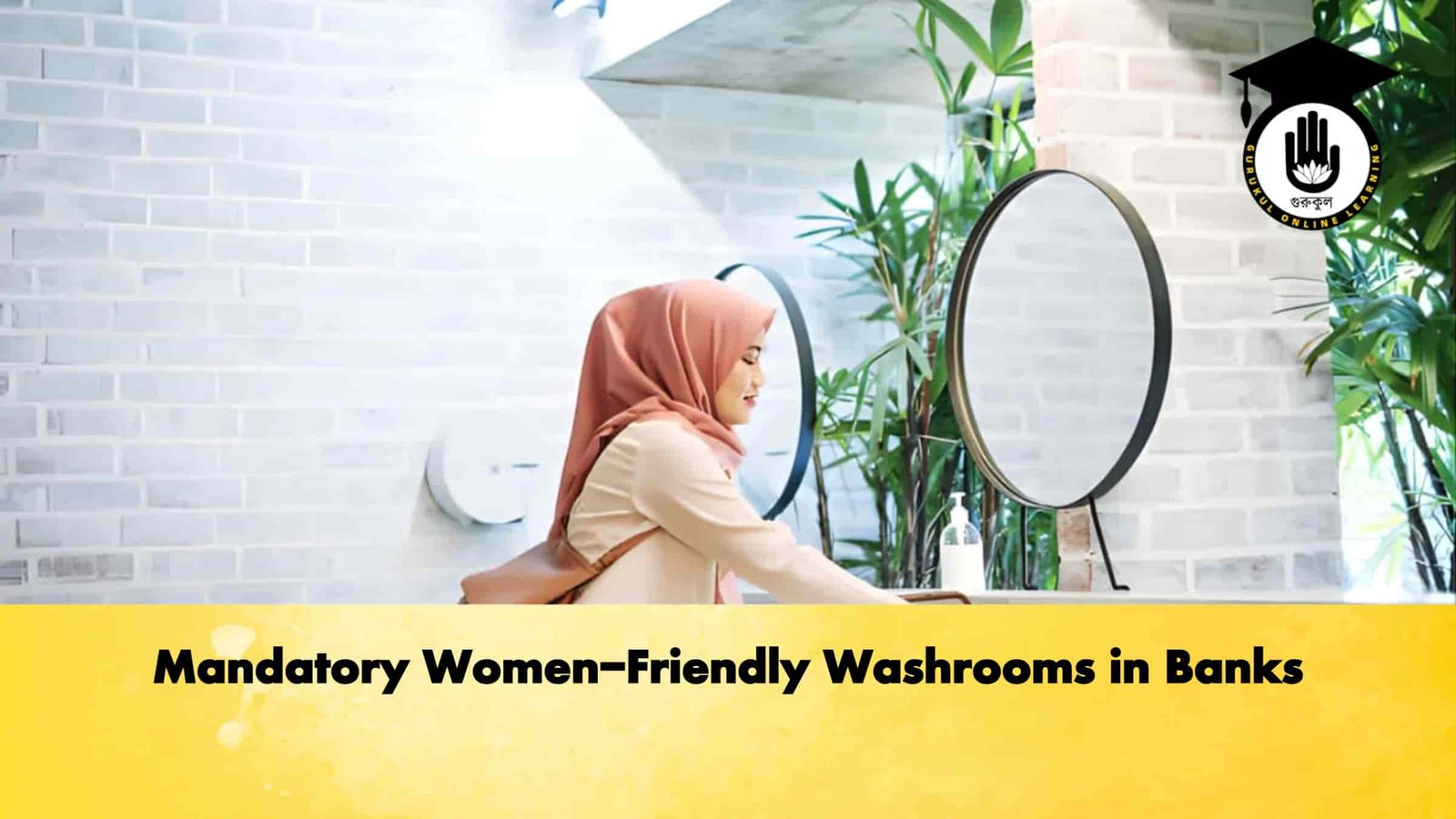
Bangladesh’s central bank has issued a far-reaching directive aimed at strengthening gender equality and ensuring a humane, inclusive working environment across the country’s banking sector. Under the new instruction, all scheduled banks—both state-owned and private—must construct, upgrade and properly maintain hygienic, women-friendly washrooms at their head offices, regional offices, branches and sub-branches. The directive, issued last week by Bangladesh Bank, has taken immediate effect.
The central bank noted that although the number of women officers and employees in the banking sector has been rising steadily over the past decade, many branches and sub-branches still lack adequate, safe and properly maintained washroom facilities for women. This shortfall not only causes daily inconvenience to female staff but also places female customers in uncomfortable and undignified situations while accessing banking services. Such conditions, the regulator observed, remain a significant barrier to creating a truly women-friendly workplace.
According to the directive, access to safe and hygienic sanitation facilities is not merely a basic right but is closely linked to productivity, dignity, health and psychological well-being. In this context, banks have been instructed to ensure separate, clean and secure washrooms for female officers and employees, alongside appropriate facilities for female customers. Where existing infrastructure is inadequate, banks are expected to renovate older washrooms or construct new ones without delay, and to ensure regular upkeep thereafter.
The instruction places particular emphasis on practical standards. Banks must ensure uninterrupted water supply, effective waste disposal systems, regular cleaning schedules and the availability of essential sanitary items. Security considerations have also been highlighted to ensure privacy and safety for users. In addition, banks have been advised to take into account the needs of women with disabilities, so that access to banking services remains equitable and inclusive for all.
The directive has been issued under the authority of the Bank Company Act, 1991, and the central bank has signalled that any negligence or delay in implementation will not be tolerated. Compliance may therefore be reviewed as part of routine supervisory and inspection processes.
Experts and labour rights advocates have broadly welcomed the move, describing it as timely and necessary. They argue that improved workplace facilities will encourage greater participation of women in the banking profession, contribute to a more positive institutional culture and enhance overall service quality for customers. From a broader perspective, the measure is seen as aligning the financial sector with national commitments to gender equality and decent working conditions.
Key Features of the Directive
| Aspect | Summary |
|---|---|
| Institutions Covered | All scheduled public and private banks |
| Locations | Head offices, regional offices, branches and sub-branches |
| Beneficiaries | Female officers, employees and female customers |
| Required Actions | Construction of new washrooms, renovation of old facilities, regular maintenance |
| Additional Provisions | Water supply, cleanliness, sanitary items and safety measures |
| Special Consideration | Accessibility for women with disabilities |
| Effective Date | Immediate |
Overall, the directive is being widely viewed as a commendable and forward-looking step towards making Bangladesh’s banking sector more inclusive, dignified and responsive to the needs of women.