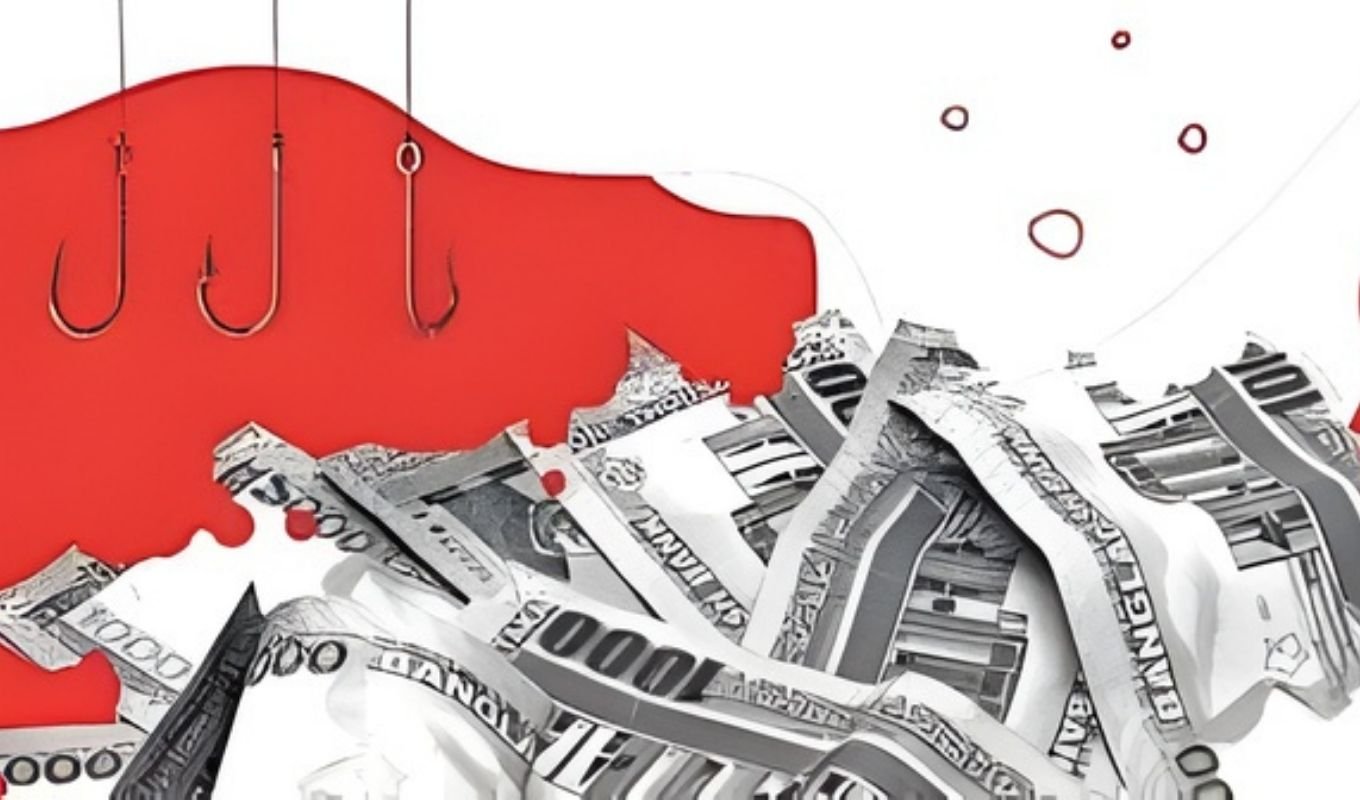
Though the recovery of funds and other assets laundered abroad by those in power during the tenure of the ousted autocracy and their associated oligarchs was declared a priority by the interim government, the task has proved to be both complex and daunting. Despite the efforts of various government bodies, including Bangladesh Bank (BB)—which heads the 11-member inter-agency task force established to retrieve the stolen assets—little tangible progress has been made so far.
It is not only the intricacy of the process that is hindering the early recovery of these laundered assets; the interim government’s inexperience in handling such matters has also emerged as a significant obstacle. As reported in this paper last Tuesday, although mutual legal assistance (MLA) requests were sent to foreign authorities seeking details about tycoons who fled Bangladesh and are now residing overseas, those countries instead sought additional information rather than providing any substantial cooperation.
Admittedly, these difficulties stem more from the Bangladeshi agencies’ lack of familiarity with MLA procedures than from any unwillingness on the part of the foreign authorities. Now, after more than a year of pursuit, the outcome remains unimpressive. Clearly, the personnel involved require proper training on the MLA format in order to communicate Bangladesh’s requirements effectively to their international counterparts.
Complications also arise from the interplay between international and domestic laws concerning the repatriation of stolen assets. Even the National Board of Revenue (NBR) has struggled to recover evaded taxes from accounts frozen by court orders, as opposing parties have launched counter-cases against such attempts. Evidently, engaging in prolonged legal battles to reclaim these frozen assets is not a viable option for the interim government, which has only a month or two left in office. Nor is the government inclined to pursue out-of-court settlements.
Nevertheless, Bangladesh Bank’s immediate priority remains recovering funds held in frozen accounts. In this regard, the central bank has reportedly instructed individual banks to hire law firms to assist in retrieving the laundered funds. The banks will be required to sign non-disclosure agreements with the firms they engage. Though belated, these steps may yield some positive results. However, the success of these measures will depend heavily on whether the next elected government continues the initiative with the same level of commitment.
The interim administration, it seems, is learning by doing as it tackles the formidable challenge of tracing and recovering money siphoned abroad by the elites of the former autocratic regime and their associates. These individuals, equipped with wealth and international connections, can afford to employ financial experts who advise them on how best to conceal their ill-gotten gains.
A documentary titled Bangladesh’s Stolen Billions, released by the Financial Times in early September, vividly highlighted the depth of the corruption involved—describing it as “beyond anything seen elsewhere”—and illustrated the immense obstacles, particularly in reaching settlements with those who stole the funds.
There have, however, been some reports of progress. In one case, the UK authorities have appointed an administrator to recover the assets of a fugitive minister from the former regime. Still, the government remains far from achieving any significant success in the near future.
The interim government should, at the very least, establish a solid foundation upon which the next administration can continue the vital work of recovering the nation’s stolen wealth.