Bangladesh Bank unveils draft e-money regulations to widen digital finance access
E-money issuers must:
Maintain Tk50 crore paid-up capital
Prepare a three-year business and risk plan
Keep settlement accounts to safeguard funds
Conduct continuous fraud detection
Ensure transparent governance with high-integrity directors
Establish mandatory board audit and risk committees
Face fines of Tk50 lakh, licence revocation, or legal action for rule breaches
Submit stakeholder feedback before final approval
Existing operators to reapply within six months of enforcement
The Bangladesh Bank (BB) has unveiled draft regulations that would, for the first time, allow non-bank local and foreign companies to obtain licences to operate as Payment Service Providers (PSPs) or Mobile Financial Service (MFS) providers.
The central bank has published the draft Regulations for E-Money Issuers in Bangladesh on its website for public consultation, signalling a major shift from the long-standing bank-led model that has dominated the country’s mobile and online financial services.
Under the proposed framework, both banks and independent digital finance companies will be authorised to issue e-money once approved by BB.
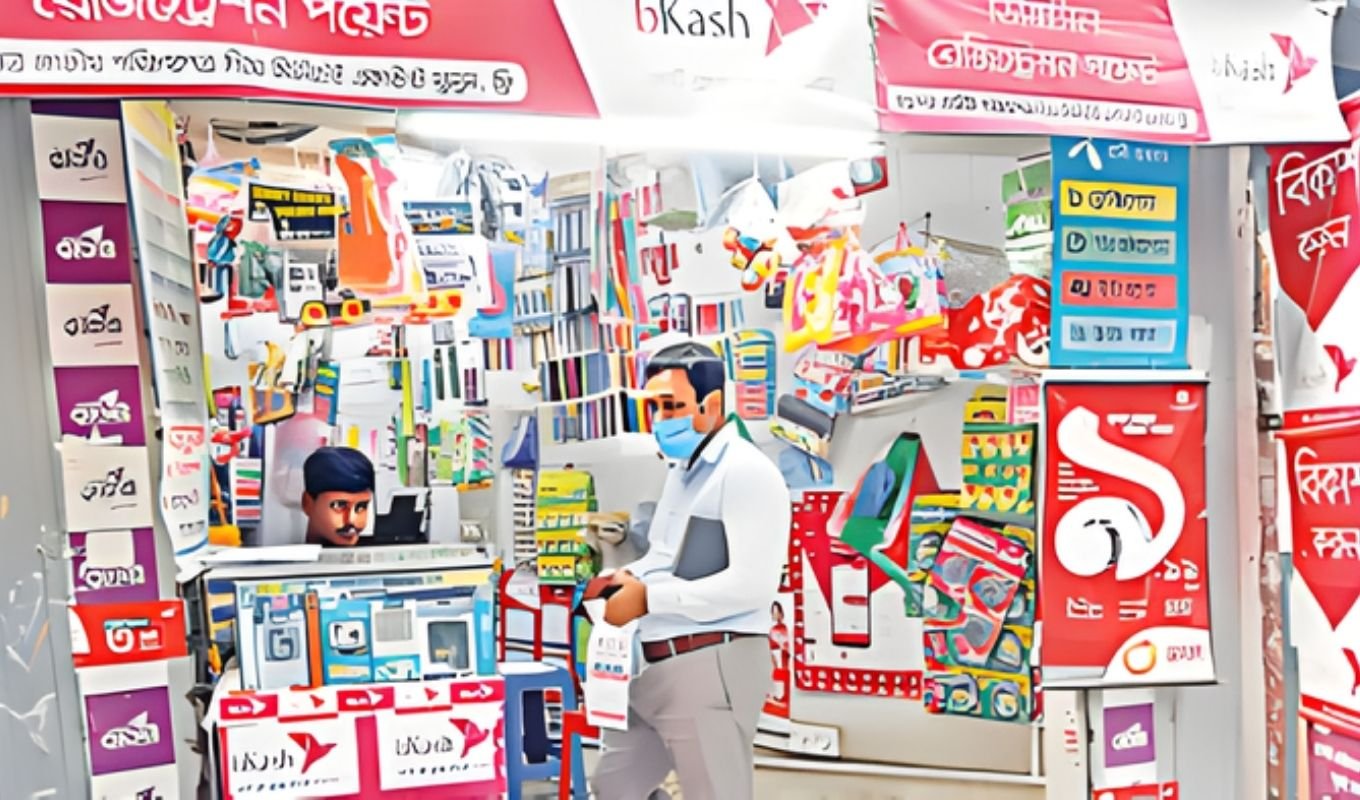
Existing MFS and PSP operators – whether bank-led or otherwise – will be required to apply for new licences within six months of the regulations coming into force to comply with the updated structure. Currently, e-money in Bangladesh is issued by MFS providers such as bKash, Rocket, and Nagad, alongside PSPs including TallyPay, Pathao Pay, and Sheba Pay. These entities generate e-money through digital transactions and payment services.
BB introduced the draft to bring these activities under a formal legal and supervisory framework aimed at ensuring institutional stability, financial security, and consumer protection. According to the document, the new rules seek to “promote financial inclusion, ensure the safety and reliability of e-money, and foster a competitive and innovation-driven payments environment.”
A senior Bangladesh Bank official, speaking on condition of anonymity, described the proposal as “a milestone reform that will open up the digital finance space beyond traditional banks”.
He added that the goal is to promote competition, innovation, and interoperability. “We want a safe, inclusive, and technology-neutral framework where both banks and fintechs can expand financial access.”
Industry leaders have largely welcomed the move. “Allowing non-bank EMIs could significantly accelerate innovation and partnerships in mobile and online payments,” said a leading fintech executive.
Draft Framework Details
The proposed framework introduces two categories of e-money issuers: authorised EMIs, consisting of regulated entities such as banks and financial institutions; and dedicated EMIs (DEMIs), which are non-bank entities engaged exclusively in e-money and related payment activities.
Applicants, particularly DEMIs, must maintain a minimum Tk50 crore paid-up capital, submit a three-year business and risk plan, demonstrate sound governance, and establish Trust and Settlement Accounts to safeguard customer funds.
E-money issuers will also be required to implement a robust risk management framework, maintain reliable technology systems with effective internal controls, use multi-factor authentication for high-value transactions, and ensure continuous fraud detection and cyber resilience against emerging threats.
They must adopt transparent governance practices, appoint directors of high integrity, and enforce strict segregation of duties. Mandatory board audit and risk committees will ensure internal checks and continuous regulatory oversight.
Breaches of the regulations could lead to fines of at least Tk50 lakh, licence revocation, or civil and criminal proceedings.
Stakeholders have been invited to provide feedback before the regulations are finalised. Once implemented, the framework is expected to reshape Bangladesh’s digital finance landscape, aligning it more closely with international standards followed in countries such as China, India, and Malaysia.
The Bangladesh Bank will oversee and supervise e-money issuers under the authority granted by the Bangladesh Bank Order, 1972, and the Payment and Settlement Systems Act, 2024.