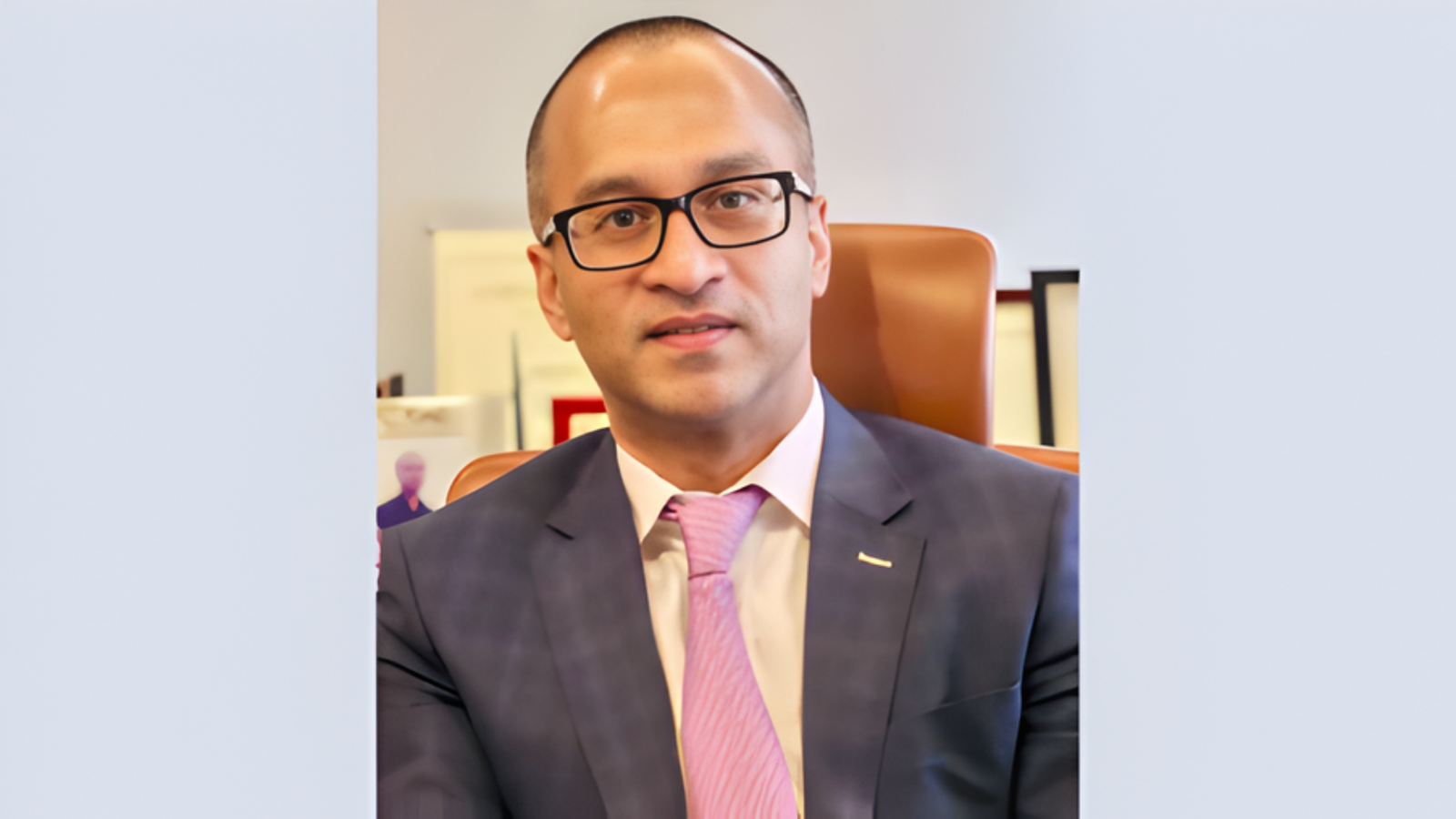
Mashrur Arefin, Chairman of the Association of Bankers, Bangladesh (ABB), has indicated that the nation’s investment climate is poised for considerable improvement following the forthcoming national election. Speaking at the Fourth Bangladesh Economic Summit 2025 in Dhaka today (29 November), he emphasised that uncertainty has restrained credit growth, with businesses adopting a cautious “wait-and-see” stance.
“Currently, credit growth is slow as businesses seek clarity on the country’s economic trajectory. Post-election, we anticipate a stronger and more confident investment environment,” Arefin stated.
Highlighting recent economic trends, he noted that inflation, once a critical concern, has declined from 12% to 8.17%. The central bank is targeting a further reduction to 5%, reflecting ongoing efforts to stabilise prices and enhance market confidence. Arefin also described the longstanding aspiration for minimal intervention in the dollar market as a “long-held dream,” signalling optimism for greater foreign exchange stability.
Bangladesh’s external sector continues to demonstrate resilience. Export earnings have reached approximately $50 billion annually, while remittances contribute around $30 billion. Imports remain around $5 billion per month, resulting in an annual total of roughly $70 billion. Arefin highlighted the country’s strong external discipline, noting that overall inflows exceed outflows.
| Category | Amount |
|---|---|
| Exports | $50 billion |
| Remittances | $30 billion |
| Monthly Imports | $5 billion |
| Annual Imports | $70 billion |
“We are earning $80 billion while spending $70 billion – a clear indicator of external sector strength,” he said.
Further data presented at the summit illustrated robust improvements in financial flows. Daily interbank transactions average around 50 million, while the current account deficit has narrowed dramatically from $19 billion to just $400 million. Simultaneously, the financial account maintains a surplus of $2 billion.
Monetary conditions also reflect prudent management. Reserve money has declined to approximately Tk3 lakh crore, and earlier practices of devolving treasury bills and bonds have ceased. Deposit growth remains steady at roughly 10%, supporting liquidity in the banking system.
Despite overall subdued credit expansion, Arefin highlighted that loan growth at The City Bank has been strong, with other leading banks reporting anticipated improvements in lending activity. This suggests that, with greater policy clarity post-election, Bangladesh’s banking and investment sectors are positioned for renewed momentum.