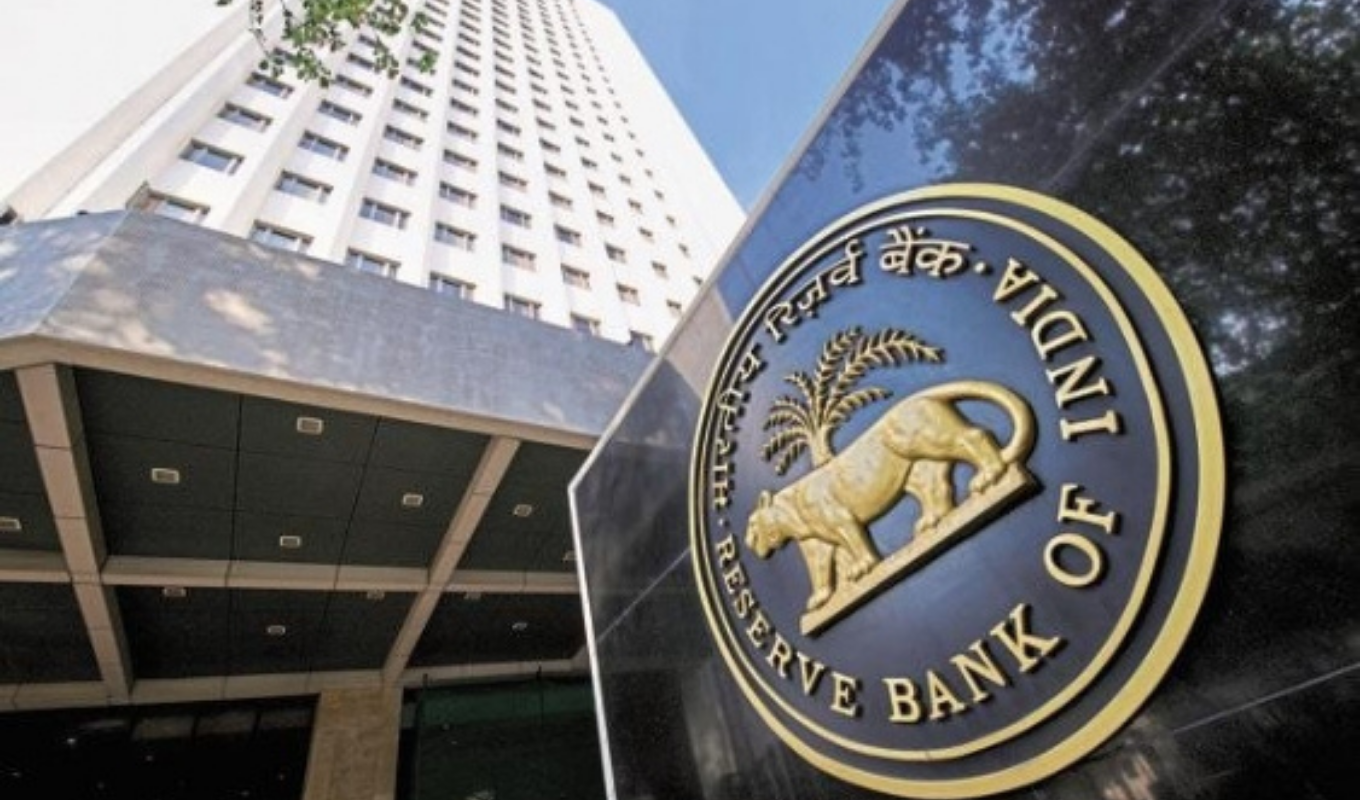
Fintech company PayGlocal has received final authorisation from the Reserve Bank of India (RBI) to operate as a Payment Aggregator – Cross Border – Inward & Outward (PA-CB-I&O).
This licence enables PayGlocal to facilitate both inbound and outbound international transactions in India. The approval follows the company’s receipt of the Payment Aggregator – Online (PA-O) licence from the RBI in September 2024.
Commenting on the development, PayGlocal Co-Founder and CEO Prachi Dharani said that India is increasingly becoming a significant player in the global digital commerce landscape. She added that the “payment infrastructure supporting this growth is reliable, compliant, and globally aligned.”
With this authorisation, Indian exporters, freelancers, and businesses using PayGlocal’s platform can continue to receive payments from international customers. At the same time, global businesses can now accept payments from Indian consumers via UPI, cards, and other digital payment methods.
What PayGlocal Offers
PayGlocal provides payment solutions for both Indian and international businesses. Its products include:
- Domestic and international payment gateway services
- Multi-currency accounts (MCAs)
- Alternative payment methods
- Tools to enhance payment success rates and prevent fraud
The platform claims to combine “intelligent routing” with “advanced fraud prevention” to deliver secure and compliant global payment experiences. The latest RBI approval now allows PayGlocal to manage international payment outflows originating from India.
Expansion in India’s Payment Aggregator Space
Other fintechs are also expanding into cross-border payments. Easebuzz, for example, recently received full RBI authorisation to operate as a payment aggregator for online, offline, and cross-border transactions. The licence enables the company to serve exporters, D2C brands, SaaS platforms, and other businesses collecting payments from international customers.
Easebuzz also provides payment APIs and workflow-based tools for sectors including education, insurance, travel, non-banking financial companies (NBFCs), real estate, e-commerce, and government services.
RBI Guidelines for Cross-Border Payment Authorisation
The RBI issued a circular on 31 October 2023 setting rules for fintechs facilitating cross-border payments for the import and export of goods and services. Previously, such payments were regulated through ad hoc circulars. The central bank stated:
“Keeping in view the developments that have taken place in the area of cross-border payments, it has been decided to bring all entities facilitating cross-border payment transactions for import and export of goods and services under direct regulation of the RBI.”
Prerequisites for RBI Authorisation
| Requirement | Details |
|---|---|
| Registration with FIU | All non-bank PA-CBs must register with the Financial Intelligence Unit-India (FIU-IND) before applying. This requirement follows a Delhi High Court ruling requiring PayPal to report to FIU-IND. |
| Minimum net worth | Non-banks must have a minimum net worth of Rs 15 crore at the time of application and Rs 25 crore by 31 March 2026. New entities starting operations after the circular must reach Rs 25 crore by the end of their third financial year of authorisation. |
The RBI’s structured framework aims to ensure compliance, transparency, and reliability in India’s growing cross-border payments sector.