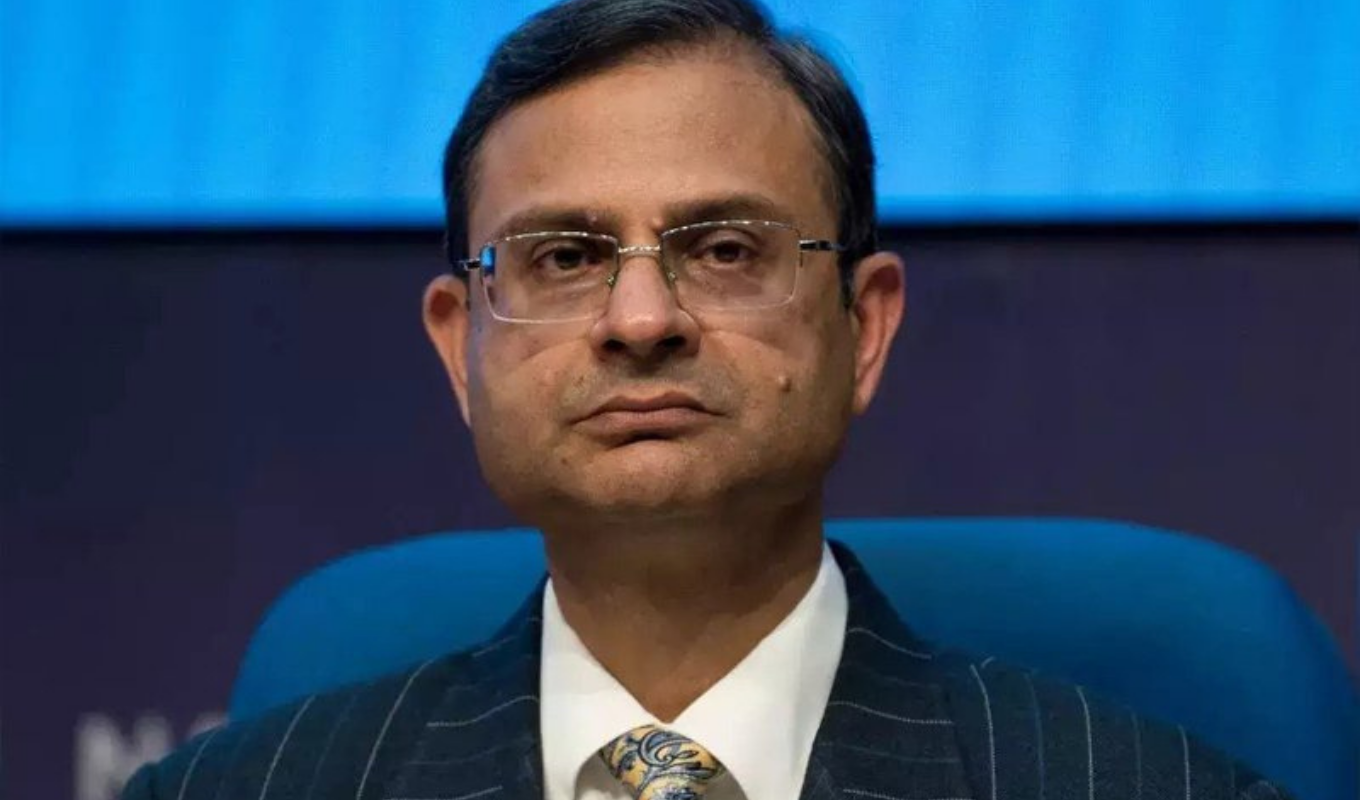
New Delhi, Nov 20 (IANS) – Reserve Bank of India (RBI) Governor Sanjay Malhotra emphasized on Thursday that the RBI’s primary focus is ensuring financial stability within the system. He further stated that the central bank is committed to simplifying regulatory requirements where possible, while still maintaining necessary safeguards.
Speaking at the VKRV Rao Memorial Lecture at the Delhi School of Economics, Malhotra said that the RBI remains vigilant and responsive to emerging risks and evolving conditions.
He acknowledged that short-term growth could sometimes be achieved at the cost of financial stability, but warned that financial instability could have much larger long-term consequences. “We realise that short-term growth can be achieved at the cost of financial stability, but instability can lead to far greater losses in the long run than any short-term gains,” he said.
Malhotra also highlighted that while financial stability is the foundation, other objectives include ensuring liquidity and capital requirements are prudently met, which protects the soundness of financial operations for all stakeholders.
He also pointed out that the RBI is focused on measures related to consumer protection, law enforcement assistance (such as in money laundering), and other conduct-related issues, which continue to receive the bank’s attention.
Regarding the recent depreciation of the rupee, Malhotra attributed it to a rise in demand for the US dollar. “We do not target any particular level,” he clarified. “The rupee is depreciating because of the demand for dollars. If demand for rupees increases, the dollar depreciates and the rupee strengthens.”
The RBI Governor reassured that India’s foreign exchange reserves remain robust, providing adequate protection against external shocks. He emphasized that the central bank has “very good” forex reserves and there is no cause for concern regarding the external sector.
In response to questions about the rupee’s depreciation, Malhotra indicated that the pressure on the rupee is largely due to trade-related factors, particularly influenced by US tariff policies. He expressed confidence that a favourable trade deal with the United States would help ease the pressure on India’s current account balance and the rupee.
“The recent pressure on the rupee may ease once India and the US reach a trade agreement,” he said, adding, “We are confident that we will secure a good trade deal with the US in the near future.”
On Thursday, the Indian rupee fell by 23 paise to close at 88.71 against the US dollar.
Regarding the performance of Indian banks, Malhotra shared an optimistic outlook, stating that the Indian banking sector is performing well. “Given the current performance, some Indian banks will soon be among the top 100 global lenders,” he remarked.