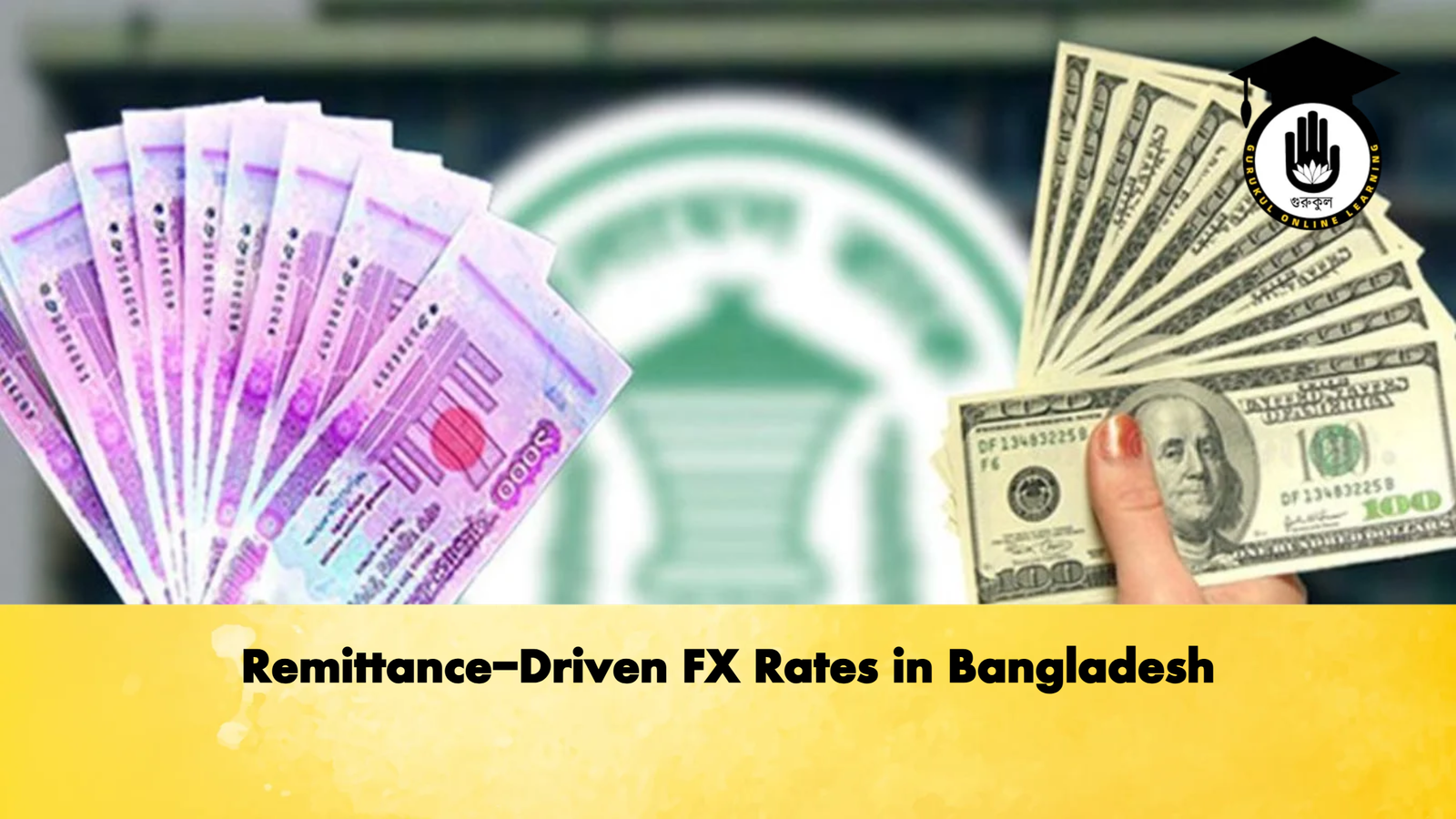
The global Bangladeshi diaspora, now numbering well over ten million people, plays a pivotal role in sustaining the national economy through steady inflows of remittances. These transfers not only support millions of households but also significantly bolster Bangladesh’s foreign exchange reserves. At the same time, growing international trade has made daily fluctuations in foreign currency exchange rates increasingly relevant for expatriates, traders, and import-dependent businesses alike.
Foreign exchange rates are inherently dynamic, shaped by a complex interplay of global economic conditions, commodity prices—particularly crude oil—international demand and supply trends, and domestic monetary policies. As a result, today’s rates may differ markedly from those recorded even a day later. For individuals and businesses engaged in cross-border transactions, staying informed about the latest rates is therefore essential for sound financial planning and risk management.
On Friday, 8 May, the following average exchange rates were observed against the Bangladeshi Taka:
Foreign Exchange Rates (per Bangladeshi Taka)
| Foreign Currency | Rate (BDT) |
|---|---|
| Saudi Riyal | 32.77 |
| Malaysian Ringgit | 31.98 |
| Singapore Dollar | 96.86 |
| UAE Dirham | 33.47 |
| Kuwaiti Dinar | 399.60 |
| US Dollar | 122.85 |
| Brunei Dollar | 96.79 |
| South Korean Won | 0.08 |
| Japanese Yen | 0.77 |
| Omani Rial | 319.30 |
| Libyan Dinar | 19.37 |
| Qatari Riyal | 33.76 |
| Bahraini Dinar | 326.84 |
| Canadian Dollar | 89.86 |
| Chinese Yuan (Renminbi) | 18.05 |
| Euro | 144.14 |
| Australian Dollar | 88.62 |
| Maldivian Rufiyaa | 7.95 |
| Iraqi Dinar | 0.09 |
| South African Rand | 7.47 |
| British Pound | 166.64 |
| Turkish Lira | 2.71 |
| Indian Rupee | 1.30 |
Among global currencies, the Kuwaiti Dinar and Bahraini Dinar continue to rank among the strongest in terms of value against the Bangladeshi Taka. Meanwhile, the US Dollar maintains its dominant position as the world’s primary reserve and trade currency, influencing pricing structures across international markets. The Euro and British Pound also retain significant weight in global financial transactions, particularly in trade and investment flows.
For expatriate Bangladeshis, exchange rate movements directly affect the value of remittances sent home. Even minor fluctuations can translate into noticeable differences in household income and savings. Similarly, import-dependent businesses rely heavily on these rates to calculate the cost of raw materials, machinery, and consumer goods.
Economists emphasise that currency fluctuations are a natural feature of global financial systems. However, they can be accelerated by geopolitical tensions, volatility in energy markets, inflationary pressures, and broader economic downturns. In such an environment, financial experts consistently advise individuals and businesses to verify the most up-to-date exchange rates before executing any significant transactions, in order to minimise risk and optimise value.