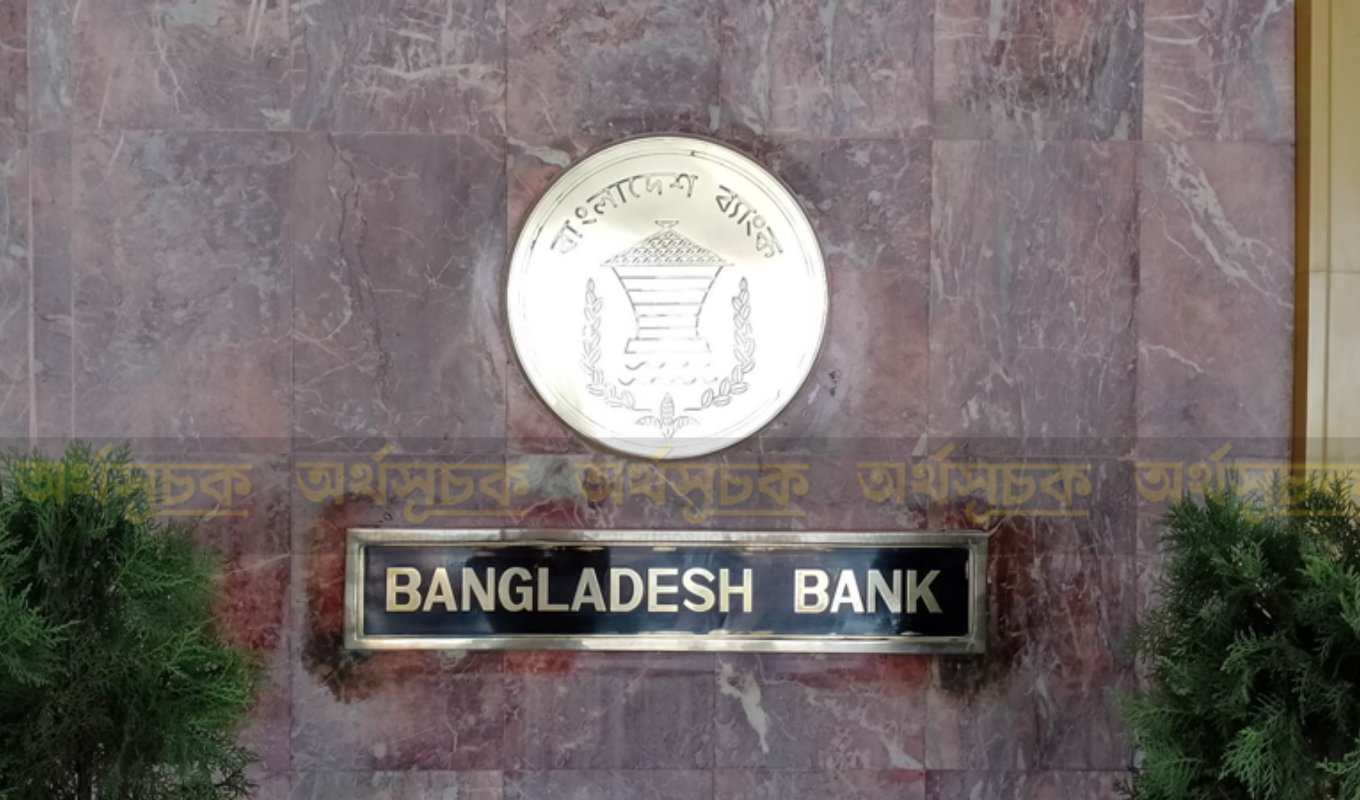
Sammilito Islami Bank PLC has officially been included in the list of scheduled banks in Bangladesh, marking another significant development in the government’s ongoing restructuring of the financial sector. The announcement was made on Monday, 1 December, through a formal notification issued by Dr Md Kabir Ahmad, Deputy Governor of Bangladesh Bank.
According to the notification, the bank has been granted scheduled status under the authority of Section 37(2)(a) of the Bangladesh Bank Order, 1972 (President’s Order No. 127 of 1972). This designation allows the institution to operate with the full rights and responsibilities of a scheduled bank, including access to central bank facilities and participation in the interbank financial system.
The inclusion of Sammilito Islami Bank PLC comes at a time when the government and the central bank are implementing a series of reforms aimed at strengthening the banking sector, particularly by consolidating weaker institutions. The creation of the bank itself is the result of a merger involving several financially distressed Shariah-based banks.
These mergers were pursued as part of a broader strategy to restore stability, improve governance, and reinforce depositor confidence following years of liquidity strain, capital shortfalls, and weak asset portfolios in the affected banks.
Bangladesh Bank has emphasised that the scheduling of Sammilito Islami Bank represents an important milestone in this reform process. With its new status, the institution is expected to adopt enhanced regulatory standards, strengthen operational efficiency, and introduce improved risk-management practices.
The addition of Sammilito Islami Bank also follows other recent consolidation measures, including the establishment of United Islami Bank PLC, formed through the merger of five troubled Islamic banks. These steps reflect the authorities’ determination to ensure a healthier, more resilient Shariah-compliant banking ecosystem.
With its formal entry into the scheduled banking category, Sammilito Islami Bank PLC now joins the country’s mainstream financial architecture. Customers of the previously merged banks will continue receiving services without interruption, now under a unified identity and with the assurance of central bank oversight.
Sector analysts note that the success of the newly formed institution will depend heavily on prudent management, digital transformation, and strict adherence to Shariah and regulatory guidelines. Nonetheless, the bank’s formal recognition marks a positive stride towards stability and consolidation in Bangladesh’s evolving Islamic banking landscape.