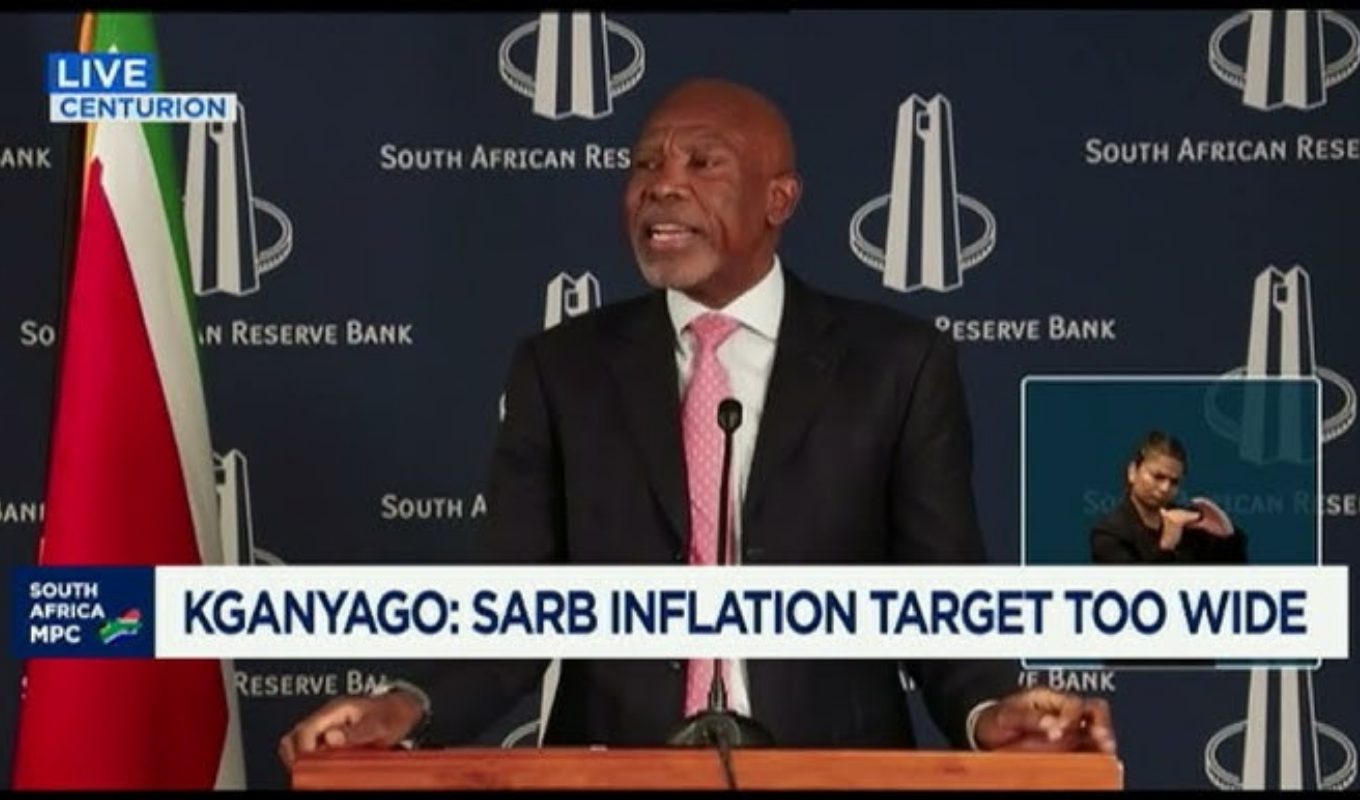
JOHANNESBURG – In a move widely anticipated by market analysts, the South African Reserve Bank’s Monetary Policy Committee (MPC) has opted to lower the country’s benchmark interest rate, reducing the repo rate by 25 basis points to 6.75%. This is a notable development, marking the first occasion since 2023 that the rate has dipped below the 7% level—an adjustment signalling a strategic shift in the central bank’s approach to current economic challenges.
As a result of the repo rate reduction, the prime lending rate—the rate at which commercial banks lend to the most creditworthy customers—has also been reviewed downward, now standing at 10.25%, compared to the previous 10.50%. These cuts are expected to have a direct impact on borrowing costs for households and businesses, potentially stimulating broader economic activity.
Key Rate Adjustments
| Indicator | Previous Rate | New Rate |
|---|---|---|
| Repo Rate | 7.00% | 6.75% |
| Prime Lending Rate | 10.50% | 10.25% |
A Measured Response to Economic Slowdown
The MPC stated that the decision followed a prolonged period of close monitoring of South Africa’s economic environment, including inflation dynamics, consumer activity, and broader macroeconomic signals. Recent data has reflected softer demand conditions, subdued private-sector investment, and persistent pressure on household incomes—factors that collectively prompted the central bank to loosen monetary conditions.
Though inflation remains within the Reserve Bank’s target range, it has shown signs of moderation in recent months, giving policymakers slightly more room to manoeuvre. By lowering interest rates, the central bank aims to encourage spending, support credit extension, and bolster confidence across various sectors.
Implications for Consumers and Businesses
The reduction in borrowing costs is expected to ease the financial burden on mortgage holders, entrepreneurs, and small- to medium-sized enterprises, many of whom have been grappling with elevated repayment obligations amid sluggish economic growth. Lower rates may also incentivise fresh investment, particularly in capital-intensive industries where financing costs have been a significant barrier.
Economists note that while the rate cut alone cannot resolve deep-rooted structural challenges—such as energy constraints, logistics bottlenecks, and unemployment—it represents a welcome intervention that could provide short-term relief and stabilise sentiment.
Balancing Growth and Inflation
The South African Reserve Bank emphasised that the decision forms part of its ongoing effort to strike an optimal balance between containing inflation and supporting economic expansion. The MPC reaffirmed its commitment to data-dependent policymaking, stating that future decisions would continue to weigh domestic and global economic developments.
Overall, the rate cut is viewed as a cautious yet positive step towards revitalising economic momentum at a time when South Africa faces multiple growth constraints.