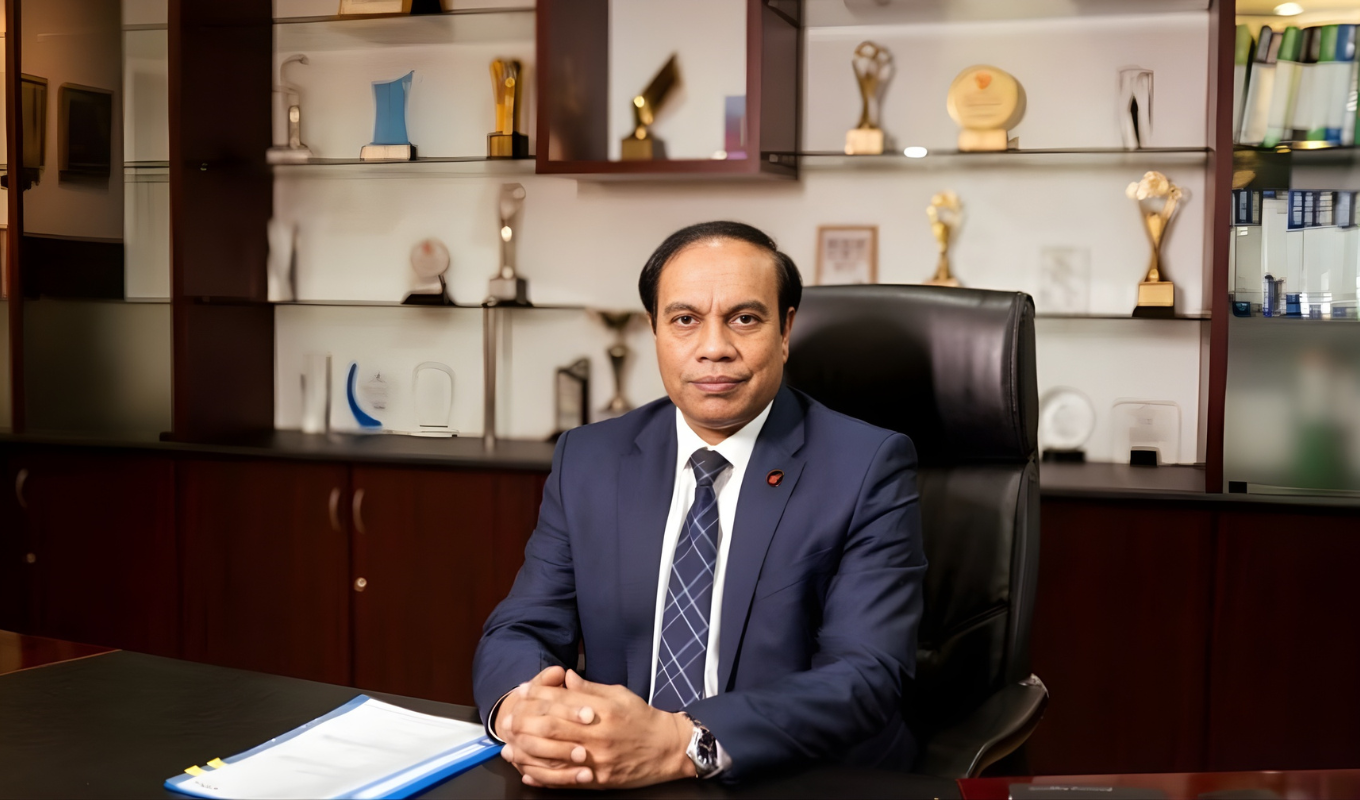
A group of 15 struggling non-bank financial institutions (NBFIs), including nine on the verge of liquidation, has approached the Bangladesh Leasing and Finance Companies Association (BLFCA) with a request for Tk 3,100 crore in liquidity support to stabilise their operations. According to BLFCA Chairman M Jamal Uddin, the institutions’ own assessment suggests this amount is critical to their recovery.
The proposed assistance could be provided by the government, Uddin said in an interview with The Daily Star, stressing that without such support, loan recovery efforts may face further disruptions, potentially worsening their already fragile situation. Many of these NBFIs are currently unable to secure new business or issue fresh loans due to overwhelming liabilities, which could take years to overcome without external help.
In an official plea, the institutions have asked the BLFCA to secure intervention from Bangladesh Bank (BB). With the proposed funds, they plan to settle partial dues to depositors while preserving enough liquidity to resume business operations. Once functioning again, they hope to gradually address the remaining financial obligations.
On September 23, the BLFCA met with Bangladesh Bank to propose liquidity support at a 2 percent interest rate, with repayment terms spread over seven to ten years. The association has suggested that BB provide up to 30 percent of each institution’s balance sheet, for a minimum of seven years, to help alleviate liquidity stress through diversified fund management strategies.
A portion of the funds would be used to fulfil withdrawal requests from small depositors, with the rest allocated to the CMSME sector to generate returns for reinvestment. The proposal includes a guarantee that all loans and leases issued with the support funds will remain under BB’s lien as security.
NBFIs are grappling with an alarming volume of classified loans, which now exceed Tk 27,000 crore — more than 33 percent of their total lending portfolio. The erosion of capital has left many institutions technically insolvent, raising questions about the sufficiency of the proposed Tk 3,100 crore.
Uddin expressed some caution over whether the requested amount would be enough to cover the full recovery needs of the NBFIs, noting the lack of in-depth research or comprehensive balance sheet analysis within the association. Nonetheless, the institutions themselves assert that this support would be sufficient to help them start rebuilding.
The BLFCA has argued that, given the government’s previous support for struggling banks, including Islamic banks, a similar, targeted assistance package for NBFIs would be reasonable. However, Uddin stressed that any government intervention must be carefully structured, with clear terms regarding the form of support, disbursement procedures, and repayment schedules.
Government Plans for Liquidation Criticised
Despite the proposed rescue, the government has announced plans to liquidate nine NBFIs. Uddin cautioned against such measures, warning that closures could further weaken the sector rather than aid recovery. He pointed out that public confidence in the NBFI sector might only be restored if institutions are given a chance to revive their operations.
He also warned that other marginally performing institutions could soon face the same fate unless they receive interim support. Weak corporate governance has been identified as a key factor contributing to the crisis, and Uddin emphasised the need for reforms to prevent such situations from recurring. These reforms should align NBFIs’ policies with those of banks, including rules on loan write-offs, the number of directors, and regulations on deposit collection and eligible securities.
While acknowledging the importance of strong governance, Uddin stressed that the enforcement of policies by the central bank remains a challenge. He noted that many NBFIs that are performing well have done so due to effective internal governance and have avoided the need for central bank intervention.
“Reforms are essential to strengthen the sector and ensure its sustainability,” he said. “If these issues remain unresolved, even strong NBFIs will face difficulties.”